The modern era of fighting facts with doubt began on Dec. 15, 1953.
Months earlier, landmark research from Sloan-Kettering showed cigarette tar gave mice fatal cancers, and the attention was widespread. The research wasn’t even groundbreaking. In the 1930s, Nazi scientists documented cigarette dangers — but, you know, they were Nazis, so polite Allied researchers weren’t keen to rely on them. That’s why this new research from a credible American institution was so damning.
To combat this, the tobacco industry met at a New York hotel that day to decide to actively discredit the research. Not engage in it, not to adapt the product but just to muddy the waters. A now infamous internal trade memo in 1969 said “doubt is our product.” This strategy was then repeated again and again. It was employed by organizations such as the Marshall Institute, which pushed for the “balanced” coverage of the Strategic Defense Initiative (SDI, also known as “Star Wars”) and climate change. That’s what one-time Trump ally Steve Bannon meant when he advised political campaigns to “flood the zone with shit.”
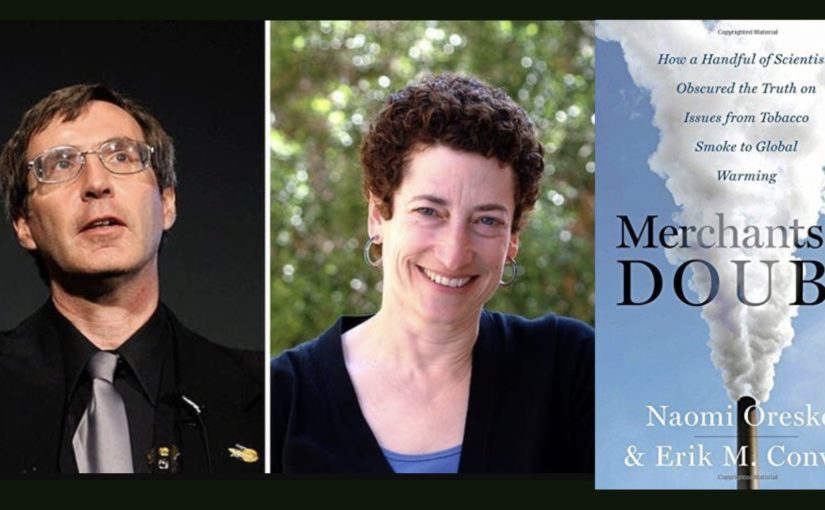
This work and the men behind it is the focus of the influential 2010 book “Merchants of Doubt,” written by by Erik M. Conway and Naomi Oreskes and made into a movie. discusses the tactics used by various organizations to challenge scientific consensus and sow doubt in the minds of the general public, with a focus on the tobacco and defense industries. It highlights the dangers of giving equal weight to both sides of an issue, regardless of the strength of the evidence supporting each side.
More than a decade later the book is enlightening, My notes from the book are below.
Continue reading Merchants of Doubt