Lessons on writing from four Russian masters (and George Saunders)

We live our life letting only some instruments in the orchestra play, so when we write fiction we can explore the rest. To create great fiction, we must emphatically pursue our “radical preference,” and remove everything else

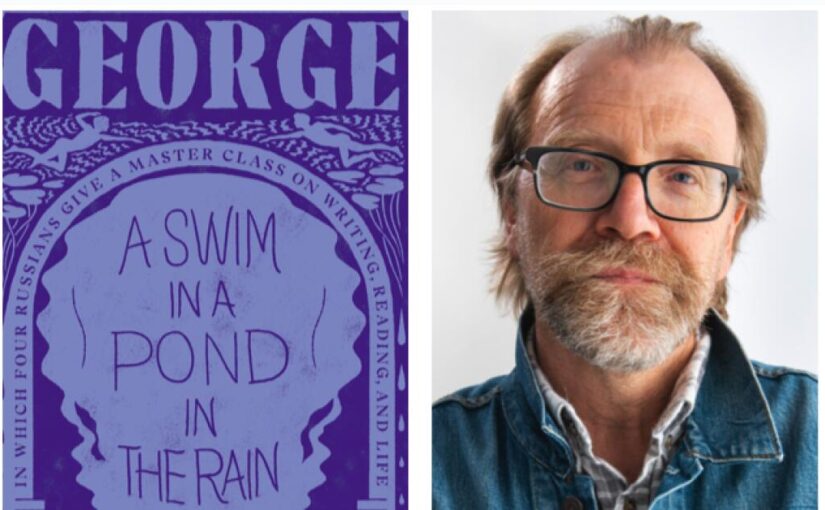
Few do it as well as the greats from a 75-year period of Russian masters. So argues George Saunders, today’s most celebrated American fiction writer and a well-regarded writing professor, in his 2021 book: “A Swim in a Pond in the Rain: In Which Four Russians Give a Master Class on Writing, Reading, and Life.”

He shares stories from four greats and intersperses his notes, based on a course he teaches. It’s approachable and generous. Below I share my notes for future reference.

Continue reading Lessons on writing from four Russian masters (and George Saunders)
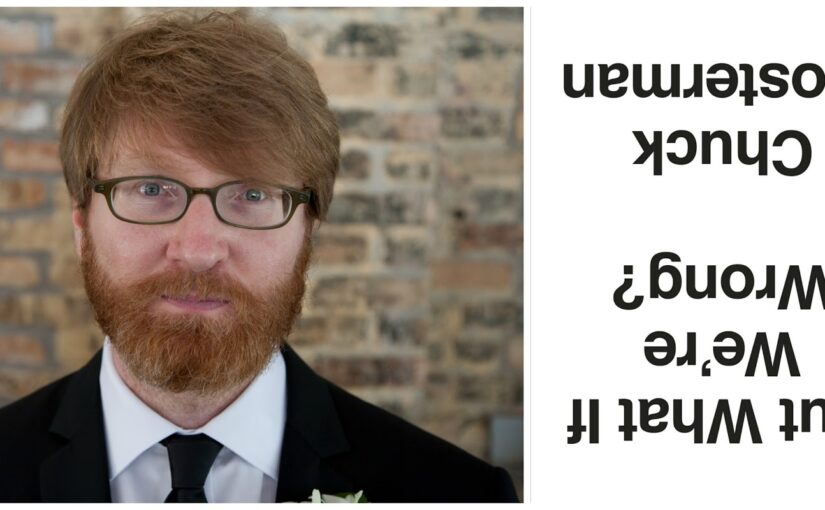
What if We’re Wrong: by Chuck Klosterman

Beliefs today, both objective and subjective, won’t necessarily be true in the future.

Discoveries upend scientific truths. Culture shifts in surprising ways. Art is used to interpret today and it’s repurposed later to interpret history of that future time, and these don’t need the same things. That’s why artists popular in one era aren’t necessarily remembered in the future, and so we might predict that the artists remembered from this era won’t be the ones celebrated in the future.

That’s among the big themes from But What If We’re Wrong?: Thinking About the Present As If It Were the Past, a quirky and charming 2016 book by media critic Chuck Klosterman.

Below I share my notes for future reference.

Continue reading What if We’re Wrong: by Chuck Klosterman

How poverty in America works

Poor Americans seem so perplexing to rich Americans because they live in different worlds.

We have two housing and two banking systems. We ask why don’t poor people make different choices but the whole point is they don’t have other choices.

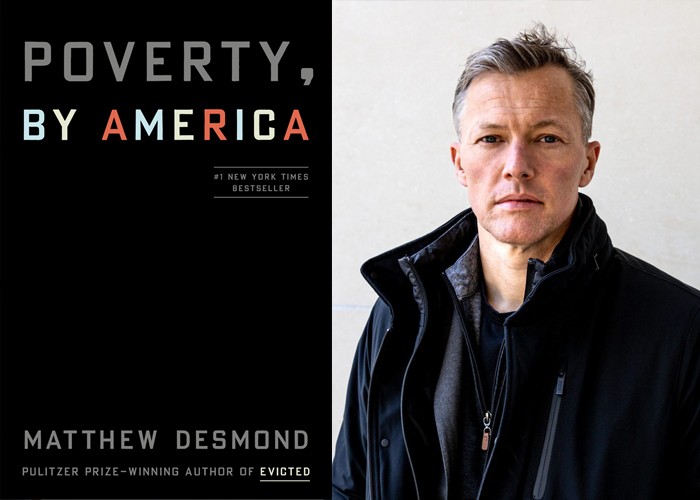
“The system isn’t broken. It’s bifurcated,” writes journalist Matthew Desmond in his 2023 book Poverty, By America. Below I share my notes for future reference.

Continue reading How poverty in America works

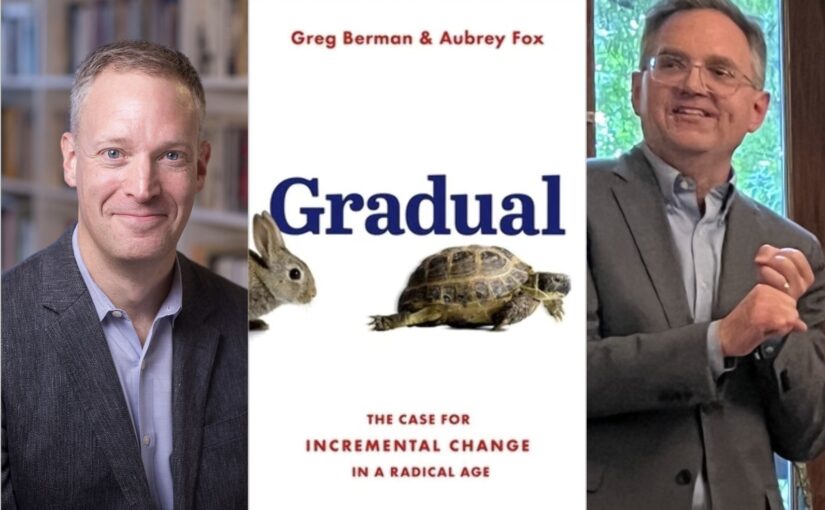
Gradual: The Case for Incremental Change in a Radical Age

Too often we seek big, dramatic and comprehensive change when the far more common and effective way to make change in a democratic system is through a grinding and collaborative approach.

One way that’s the case is because making real change requires three stages (the politics, the policy and implementing the practice) but we commonly forget that third step. All told, incrementalism gets a bad rap. Nearly all lasting change has happened gradually, not boldly. The world is complex, no coalition is ideologically cohesive and those implementing change are flawed.

That’s the case made in the 2023 book “Gradual: The Case for Incremental Change in a Radical Age,” written by two longtime advocates in criminal justice reform, Aubrey Fox and Greg Berman. Below I share my notes for future reference.

Continue reading Gradual: The Case for Incremental Change in a Radical Age

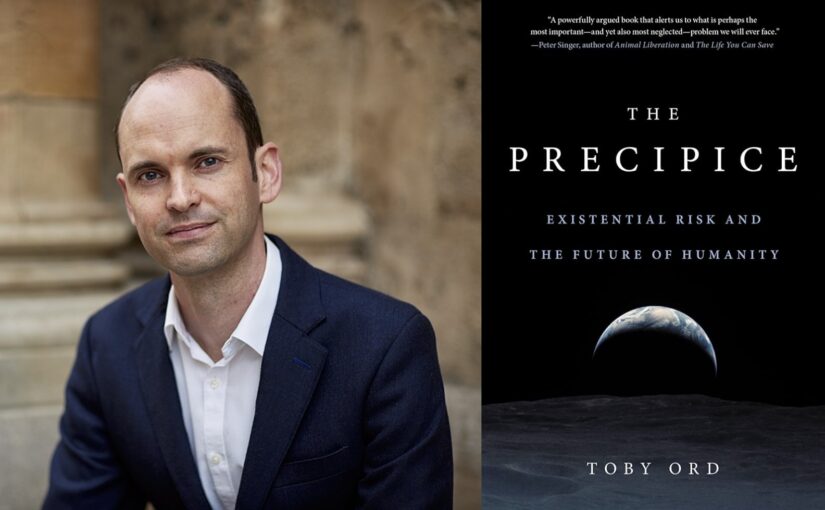
Humanity is on ‘The Precipice’: How can we think about lasting a million years more?

Humanity is at a crucial moment in which our technologies are advanced enough to have created our own existential risks and secure enough to consider a longterm enough future in which natural risks pose true threats. This moment can be called the Precipice, the name of a 2020 book by Toby Ord.

I enjoyed it, came to it around organizing I’ve done toward longtermism, and another buzzy book on the topic.

Below I share my notes for future reference.

Continue reading Humanity is on ‘The Precipice’: How can we think about lasting a million years more?

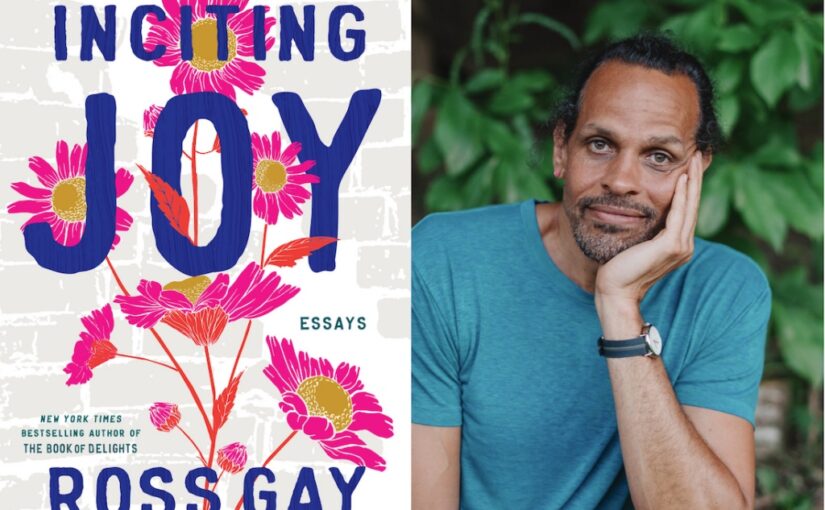
Inciting Joy

Late in his fall 2022 book Inciting Joy, essayist and poet Ross Gay confronts criticism he’s received for the writing he’s done on Joy. Most of it amounts to, the author says: how can a black man write about flowers in a time like this?

Earlier on, he gives his answer: Sorrow doesn’t need any help; “I think sorrow’s gonna be just fine.”

It’s an energizing and beautiful collection. I strongly recommend it. I share my notes for future reference below.

Continue reading Inciting Joy

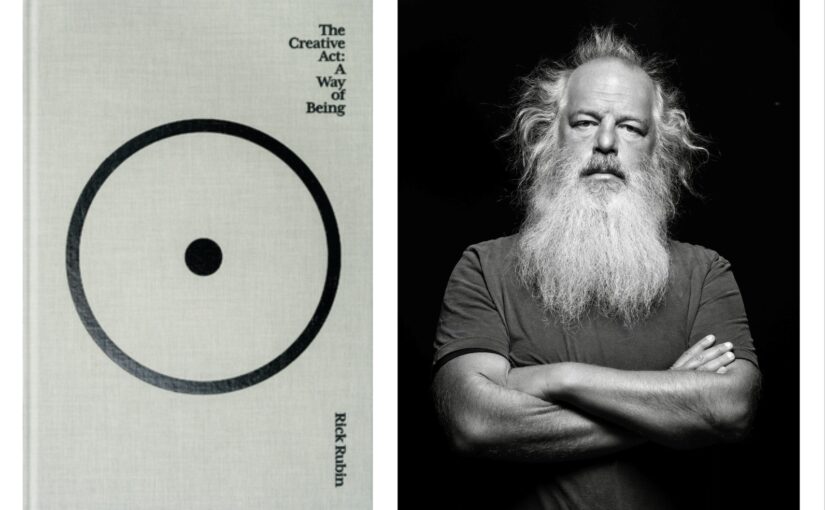
Advice on ‘the creative act’ from Rick Rubin

One of the most celebrated music producers alive can’t play an instrument.

Instead he follows and teachers creators to create. Rick Rubin published back in January a charming book called The Creative Act: A Way of Being. It reads like a book that any creator could pick up and source inspiration. I strongly recommend it.

My notes for future reference are below.

Continue reading Advice on ‘the creative act’ from Rick Rubin

How Private Equity Runs—and Wrecks—America

The debate about whether private equity provides any real value to the economy comes down to whether they force worthwhile business efficiencies. Or are instead, as it was memorably put in 2010 “a great vampire squid wrapped around the face of humanity, relentlessly jamming its blood funnel into anything that smells like money.”

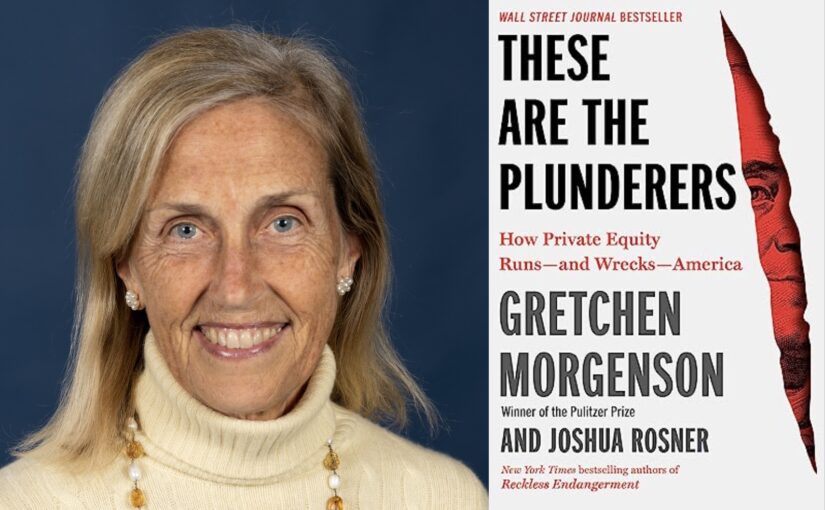
Little question the stance from the 2023 book “These Are the Plunderers: How Private Equity Runs—and Wrecks—America” by Pulitzer Prize­­­–winning journalist Gretchen Morgenson and financial policy analyst Joshua Rosner. It’s thorough and puts into context the people effected by private equity, a murky financial industry that owns businesses that employ something like 12% of all American jobs.

Below I share my notes for future reference.

Continue reading How Private Equity Runs—and Wrecks—America

12 Rules for Life: An Antidote to Chaos by Jordan Peterson

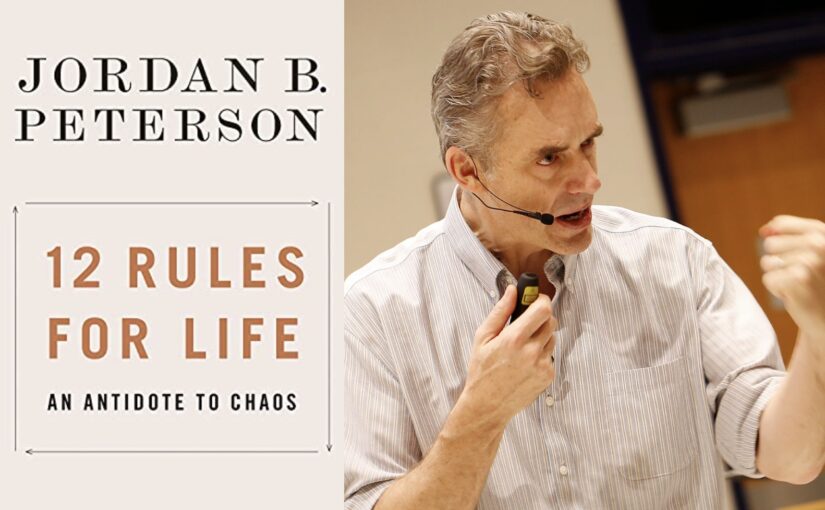
In 2018, before he had become an unexpected avatar of the American culture war, then-56-year-old Canadian psychologist Jordan Peterson published 12 Rules for Life: An Antidote to Chaos.

It took a conservative tack on discipline and relationships, inspired by his clinical practice, his teaching and his politics. I certainly didn’t agree with all of it back then, but the framework of spinning a specific even prosaic rule-of-thumb into a bit of wider philosophy seemed like fun. Friends and I created our own lists.

In the years since, Peterson became an unexpected lightning rod, and a near cartoonish hero or villain depending on your politics. It was time to go back and read his breakout book. So I did just that. It’s too long and does dip into strange pseudoscience at times. I also think it presents a worldview that looked fresh and productive to many, especially young men.

My notes for future reference below.

Continue reading 12 Rules for Life: An Antidote to Chaos by Jordan Peterson