Nonviolence should be a tactic of resistance movements, not a holy covenant As famed South African activist Nelson Mandela (1918-2013) said “ I called for nonviolent protest for as long as it was effective.”
Yet today’s climate change movement, advocating against environmental destruction, have calcified into purely nonviolent pacifists. A whole range of tactics have been deployed by successful movements, even excluding violence on people but focusing on property destruction. Was the fall of the Berlin War a violent attack on a wall?
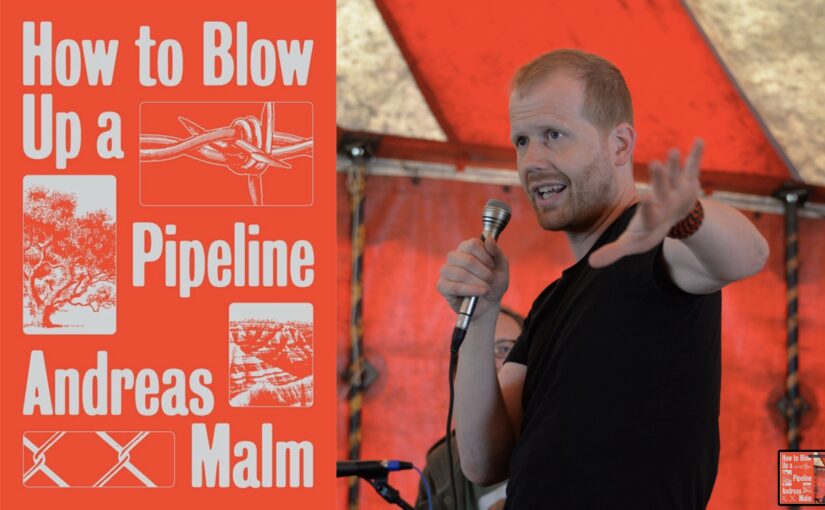
That’s the short, provocative and effective 2021 climate activism book by Andreas Malm entitled: How to Blow Up a Pipeline: Learning to Fight in a World on Fire. It inspired a film of the same name. The movie is a fictional narrative, but the book is a challenging, but important, nonfiction read for activists.
As the author argues, the two most common defenses of nonviolence:
- moral: we are the good guys, so nonviolence is the only option and
- strategic: it is always taken too far, so it is actually the better option
Yet this “strategic pacifism is sanitized history,” Malm writes. All so-called nonviolent movements benefited from “the radical flank effect,” in which a more violent group pushed the issue even farther. In contrast, the nonviolent movement seemed sensible. In this way, even if radical and more centrist groups despite each other, they actually work together.
As the author writes: “There is something suspicious about total tactical conformity”
Below I share my notes for future reference.
Continue reading How to Blow Up a Pipeline