
The Rise and Reign of the Mammals: A New History, from the Shadow of the Dinosaurs to Us

In the hundreds of millions of years of the history of mammals, humans play a very short part. So a book about mammals ought not dwell on us too much.

That’s the case with The Rise and Reign of the Mammals: A New History, from the Shadow of the Dinosaurs to Us by paleontologist Stephen L. Brusatte, who rose to prominence with a similarly titled booked on dinosaurs. The book is fun but serious, with a very long and detailed accounting of what brought us to today. Get the book. (Image courtesy of this piece on mammal development after the asteroid-fuelled death of the dinosaurs)

Below find my notes for future review.

Continue reading The Rise and Reign of the Mammals: A New History, from the Shadow of the Dinosaurs to Us

Seek and Hide: The Tangled History of the Right to Privacy by Amy Gajda

Americans have a long established belief in a right to privacy — even as that right has been outshined by others.

The right to know is prominently American, with its relationship to the Freedom of the Press. The 20th century was “the era of the journalist,” according to James Reston, a one-time New York Times executive editor, who led the publication of the Pentagon papers and died in 1995.

Today, the right to be forgotten is a prominent trend emanating from Europe. But the right to privacy relates to both and much more. It’s important to understand it.

So goes Seek and Hide, a new book by academic Amy Gajda. It is thorough and compelling, rich with court law and the stories that help describe our cultural relationship to privacy. Go buy a copy. (New Yorker coverage here)

Below I share notes for my own future reference.

Continue reading Seek and Hide: The Tangled History of the Right to Privacy by Amy Gajda

The Parable of St Laurentius

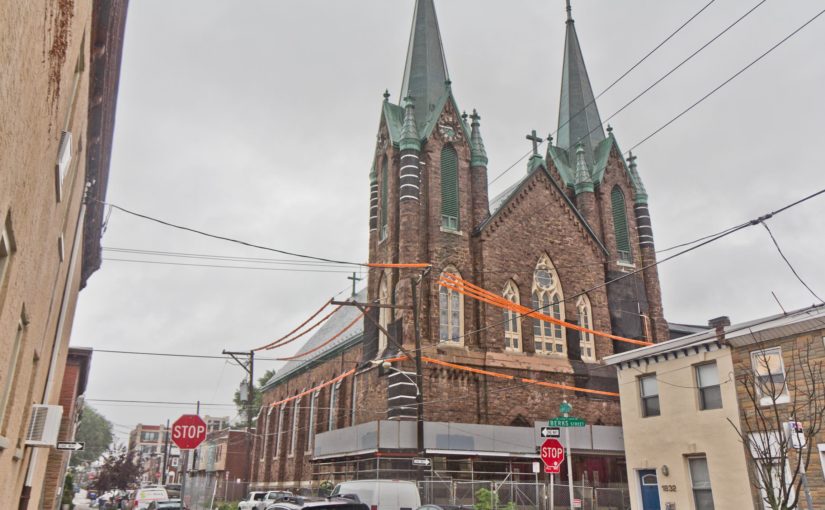
Note: This historic church in Philadelphia’s Fishtown neighborhood is being replaced.

I want to tell you the parable of St Laurentius Church

St Laurentius is an old church, at least by American standards. It was built in 1882, with the donations from Polish families who wanted something of their own — beyond the other Catholic Church nearby that catered to Irish Catholics.

Continue reading The Parable of St Laurentius