Subscribe to my new weekly Story Shuffle podcast project

After six years of regularly hosting an every-other-month, themed storytelling event among friends called Story Shuffle, I’ll be sharing my favorite stories over the next six months in a weekly podcast format.

From more than 200 recorded stories told at one of 36 live events held in houses and apartments, I am launching this as a project to learn more about podcasting and to give this storytelling event of mine a final goodbye. I’m billing this podcast as a ‘first draft’ storytelling series, as people regularly told their stories for the first time. It was authentic and fun and earnest. It’s something I want to see more of online.

So subscribe on iTunes or on your podcatcher of choice (or on the Story Shuffle website). Let me know if you can’t find it somewhere you want it.

Below I shared a few notes of what I already learned, though I know I’ll have plenty more lessons after the project is over.

Continue reading Subscribe to my new weekly Story Shuffle podcast project

Reporters: how to handle correction requests from sources

It’s going to happen.

Beat reporters, you’ll know the trends and source material. You’ll work your sources fairly. You’ll strive for accuracy. You’ll fact check and contextualize.

Then the message will come — a call for a correction. Sometimes it’ll be baseless, often there will confusion and then there will come those times when you just got it wrong.

The web moves fast and with the vast communication network that exists today, reporters are the front lines for complaints and criticisms like never before. You can’t hide from the emails, social messages and texts.

So you’ll need to know how to handle this, particularly when you’re challenged to navigate complaints within a community you serve.

Continue reading Reporters: how to handle correction requests from sources

I use these 8 web tools more than any others at work

One good way to better understand your own process is to evaluate what tools you most often use.

In my function as something like a small publisher, my roles span business development and account, program and project management to strategy development and, still, limited tactical efforts on editorial, events and product creation and maintenance. That means my workflow roughly resembles what our digital media company looks like across the board.

Take a peek into my workflow below.

Continue reading I use these 8 web tools more than any others at work

Technically Media moved into new headquarters: here are some lessons

We at Technically Media moved into our new headquarters in May.

It was a triumphant moment — after months of construction and negotiation and planning. Depending on how you count it, this was either the third or fourth office our company ever had in Philadelphia. More importantly it’s our first proper private offices, a true headquarters for a growing digital media company.

Here are some lessons I learned about getting here.

Continue reading Technically Media moved into new headquarters: here are some lessons

This will be my first year of saying no

For as long as I remember, I was proud of being someone whose default response was YES. It was the right mind frame for my teens and 20s. But I turned 30 last year. And I now I want to get better at the other side of that spectrum: saying no.

So I made it one of my 2017 resolutions: to say NO more often. Though I hope to do lots with that perspective, it will come down to focusing my attention.

This is my pledge to myself that I will say no, that I will limit what I do and agree to so that I only focus on what I can do well. That means I will have to say no to things I care about.

One of the clearest ways I’m doing that is by dropping and limiting my existing extra curricular activities, while being far choosier about any I add. Understand: this does not mean I don’t have interest in these or other issues. This means I’m focusing on what I can provide unique value to and fits me now.

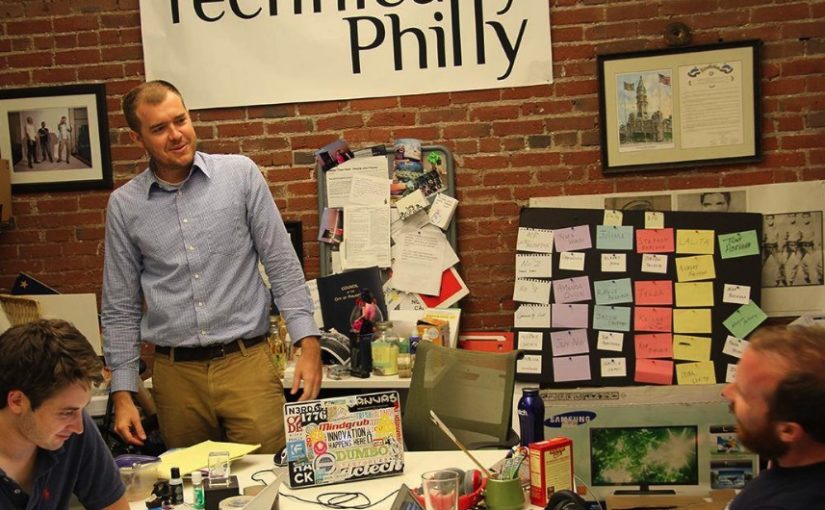
I’m aiming to take this more into my day job (so I don’t let my office get as cluttered and messy as it was in the header photo from early 2015) but for the first clearest way to show my progress, I wanted to share what I’ve already set in motion.

Continue reading This will be my first year of saying no

Reporters, here’s a strategy for handling your email

It’s a common boast of proudly-overwhelmed reporters: how many emails do you have in your inbox? The answer, of course, is supposed to be as big as possible, at least numbering in the thousands.

For me, that’s always essentially sounded like malpractice, like a surgeon boasting she hasn’t calibrated some critical tool. Journalists are in the business of information gathering and disseminating, so one must control her primary tool of the modern trade, and that is surely still email.

Your inbox is your temple. That temple is your work station, so you must keep it clean — put things away in your filing cabinet.

So though I’ve taken email seriously for years from the earliest corners of my professional career, preaching Inbox Zero and obsessing over contact tracking (even back as an undergraduate), I’ve recently been sharing a leaner process to on-board reporters to this way o thinking and wanted to share here.

Continue reading Reporters, here’s a strategy for handling your email