5 things that Philadelphia tourism groups should do

I think the Greater Philadelphia Tourism Marketing Corp. is cool, like many other organizations dedicated to representing big, beautiful cities. Let me know underscore, I am proud to have GPTMC and their ilk representing Philadelphia.

Still I also think a lot of other people are doing similar work and GPTMC and their peers could do some cool partnerships:

  1. Give your city swag to Couchsurfers and AirBnB users — Restauranteurs court the most prolific Yelp users by hosting taste sessions. Similarly, tourism agencies should have an annual parties for the most active hosts on sites like Couchsurfing.org and AirBnB. These people are natural spokesmen and interact with travelers who spread the word about where others should visit. A welcome bag with cheap swag, fun maps, some basic information in little bag. Keep it simple, give a few dozen bags to a few dozen surfers. It’d be a small gesture with ramifications.
  2. Make a Wiki list of volunteer tour guides for specific topics — Use your social media connect to drum up a few passionate residents of your city who might be willing to offer an hour or two to show off specific parts or corners of your city in a way that tour businesses can’t. Someone would love to show off about the restaurant scene or the tech scene or a specific neighborhood or the post-industrial collapse and revitalization of a given community. Whatever. Create an army of in-person boosters.
  3. Lobby for changes to I-95 corridor signs — Whenever one drives northbound on interstate 95 from D.C. and Baltimore, one sees highway signs making clear that that road leads to a major city called New York. It’s a method of orientating travelers, but it underscores that Philadelphia is not seen as a destination. That’s a problem and, well, just plain inaccurate.
  4. Be the magic hand of changing Philadelphia’s influence globally — GPTMC is particularly adept at fun splashy advertising and displays of the city. They do a great job. Most of them — including the ‘With Love’ campaign — are everything I’d want in a regional campaign, however I’m always sensitive to the idea that the best sales technique is one you don’t make. That is, tourist maps in travel agent offices in the Netherlands that include smaller cities but not Philadelphia are perfect examples of what I think do a lot to make the city seem less influential.
  5. Hire city boosters to change perceptions elsewhere — OK, this is a bit more outrageous, but I’m so taken by the stories of 19th century urban boosterism, that I’d be fascinated to see how it might exist today.

What they already do that I love:

  • Provide videos and photos of the region for others to use

Online News Association national conference should come to Philadelphia: here are 10 reasons why

I have been blessed to attend the last two national Online News Association conferences, one in D.C. and last year’s in Boston.

This year, the celebrated, 13-year-old organization will host its annual event of more than 5,000 members in San Franciso to offer some geographical balance to the affair. There is some call for a Midwest event in 2013, which might make sense, but whether it’s next year or in 2014, the conference, expo and meeting of the minds of news innovation should happen in Philadelphia.

Updated: Apparently Philadelphia is booked for 2014. So, uh, 2015?

I’m part of a small group in Philadelphia lobbying for the effort, which includes a formal application process, and that application is being submitted. Still, I felt it worth sharing what appears to me to be the clear reasons why this would be an easy decision.

Here are 10 reasons:

Continue reading Online News Association national conference should come to Philadelphia: here are 10 reasons why

First 100 days as CEO of the Philadelphia Public Interest Information Network: advice for Neil Budde

Neil Budde in July 1997 as Wall Street Journal interactive editor. Photo by Ted Thai for LIFE magazine.

A leader for a major public affairs journalism project at Temple University in Philadelphia began his role last week.

I was excited to find in February that Neil Budde, whose claim to fame is being the founding editor of WSJ.com, would be the CEO of the new, temporarily-named Philadelphia Public Interest Information Network. Everyone closer to the project than I and others who know Budde in other ways have all had positive remarks.

The impact of an organization like that on information communities in Philadelphia can be a thrilling thing to watch. By way of full disclosure, I did have early-stage conversations about the position and the project on the recommendation of others. That said, I’m eager to have further discussion with Budde.

With all that said, I wanted to share some thoughts on what goals Budde might seek in his first 100 days the PPIIN CEO.

Continue reading First 100 days as CEO of the Philadelphia Public Interest Information Network: advice for Neil Budde

A reporter is only as good as his sources (are organized)

The old saying goes that a reporter is only as good as his sources.

To tell or find a story, one needs to have the resources and access to perspective and insight. In my few years as a journalist, I’ve taken considerable effort to build relationships and gather sources.

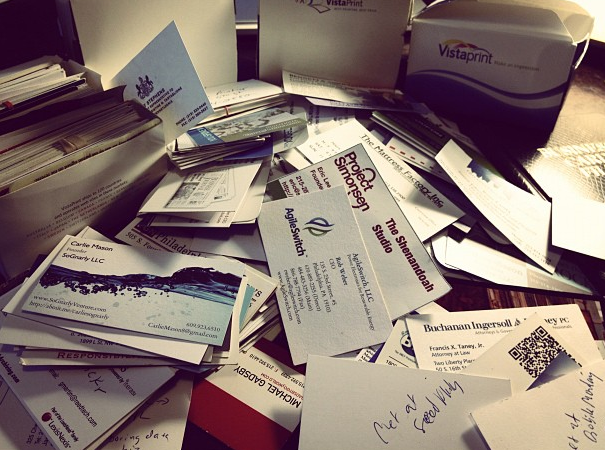
That mostly amounted to piles and piles of business cards. Thankfully, two tools have allowed me to take considerable control over that mess.

First, almost since the very beginning of my collecting sources in college, I have obsessively updated my contacts in my Gmail account, including emails, phone numbers, even birthdays and mailing addresses when possible. Taking it further, I include headshots and a description of when I first met the person and what their relevance is, to ease my ability to remember the person.

Second and most recently, with my first smartphone and Macbook following this and this,I’m able to sync those Gmail contacts to my phone, allowing me to have access to those contacts more readily, as I try to develop as many text and Gchat relationships, it’s proven a great tool.

Which is good, because as important as it is to have good sources, it doesn’t matter if you can’t find them.

Philadelphia Museum of Art: thoughts on making the Parkway temple to impressionism more accomodating and more relevant

The Philadelphia Museum of Art is among the country’s largest, oldest and most influential.

Still, founded in 1876 and looming on the Ben Franklin Parkway for 90 years, the Museum’s leadership knows being a historic, cultural icon in Philadelphia doesn’t make it immune to financial distress. The bankruptcy of the once legendary Philadelphia Orchestra has made that clear.

It’s with this that several of the museum’s most active board members brought together in late January something of a focus group of mostly 30 and 40-something young leaders in Philadelphia to help discuss its future. Thankfully, Liz Dow of Leadership Philadelphia, which largely invited the focus group members, brought me into the conversation.

The conversation largely lacked a focus that is most often seen as a determining factor in successful focus groups. Still, the 90-minute lunch and dialogue was interesting enough that more than a month later, I find myself with a few dozen swirling thoughts on the subject. I wanted to share them here.

Continue reading Philadelphia Museum of Art: thoughts on making the Parkway temple to impressionism more accomodating and more relevant

MinnPost CEO Joel Kramer: notes on dinner with the founder of the profitable news nonprofit

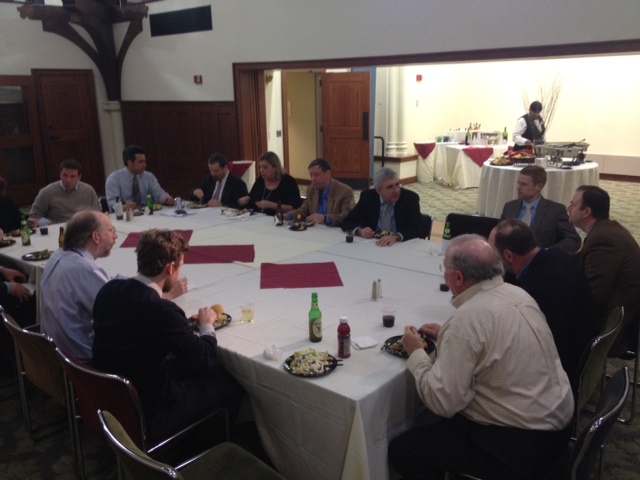
A small group of journalism practitioners in Philadelphia were treated with the chance to have dinner and throw questions at MinnPost CEO Joel Kramer Tuesday night. Kramer is the former publisher of the Minneapolis Star-Tribune and a frequent example of success in growing public affairs journalism online.

I was blessed to be among them and certainly took the chance to ask an array of questions about his efforts of building a statewide public policy news nonprofit that I haven’t seen answered in the considerable coverage of his efforts.

Among the celebrated local news representatives there was the newly named CEO of the local journalism institute at Temple, Neil Budde.

Though much more was handled in the 90-minute conversation that followed a public Q&A session that I heard was well-attended and lively, I wanted to share some notes I took out of this more intimate, though on-the-record, setting.

Continue reading MinnPost CEO Joel Kramer: notes on dinner with the founder of the profitable news nonprofit

Neil Budde named founding CEO of Philadelphia Public Interest Information Network [Press Release]

Neil Budde, founding editor and former publisher of the Wall Street Journal (WSJ) Online

News has broken of the new CEO of the multi-million dollar journalism initiative housed at Temple, a project I’ve written about before here, but I hadn’t seen any confirmation posted yet, so I thought I’d share the press release from Temple that was sent my way.

PRESS RELEASE:

PHILADELPHIA – The Center for Public Interest Journalism at Temple University’s School of Communications and Theater (www.cpijournalism) has named Neil Budde as the founding CEO of the Philadelphia Public Interest Information Network (PPIIN).

Budde (pronounced buddy) will lead the development of PPIIN (a placeholder name until the organization is founded and branded), a collaborative organization intended to help increase the amount and quality of news and information in the Greater Philadelphia region. It is funded through a $2.4 million grant to the School of Communications and Theater from the William Penn Foundation.

Budde was hired for his demonstrated management skills in enterprises involving journalism and technology, and his experience in anticipating and successfully accommodating for innovations and trends. Budde was most recently executive vice president at ePals and president of DailyMe, a start-up focused on delivering personalized news and information. Prior to this, Budde served as editor in chief of Yahoo News and founding editor and publisher of The Wall Street Journal Online (WSJ.com). Budde was also involved nationally in the Online News Association, serving on its board for five years, and The News Literacy Project.

Continue reading Neil Budde named founding CEO of Philadelphia Public Interest Information Network [Press Release]

Notes on bold change for the Philadelphia Media Network, regardless of who the owners are, and why it won’t happen

Ownership concerns be damned, the publisher of the largest news organization in one of the largest markets in the country needs to make a major shake up in company structure and output or face a continued decline.

The Philadelphia Media Network, owners of the city’s two daily newspapers and most trafficked news site, announced almost 40 more editorial layoffs and buyouts this month, prompting speculation of another sale. The perception of leadership at the paper has been seriously damaged with a growing number of reports of editorial interference, particularly around coverage of the potential sale, though they’ve happened before.

Fears have risen that an investor group led by former Pennsylvania Governor Ed Rendell could be a biased fifth owner in six years for the company. News of what damage bias could do the organization has clouded the root frustration that the company is failing.

While ownership bias has dominated the coverage, I’m most concerned that no one whose news innovation vision garners much contemporary respect is at the organization’s helm. That’s what is most keeping rhythm to the slow drumbeat of expectations for failure that has been heralded for a decade.

Below, find some initial, broad thoughts on how the organization might be reshaped.

Continue reading Notes on bold change for the Philadelphia Media Network, regardless of who the owners are, and why it won’t happen

Local TV news is more entertainment than journalism and other notes from NBC 10 ONA Philadelphia Showcase [VIDEO]

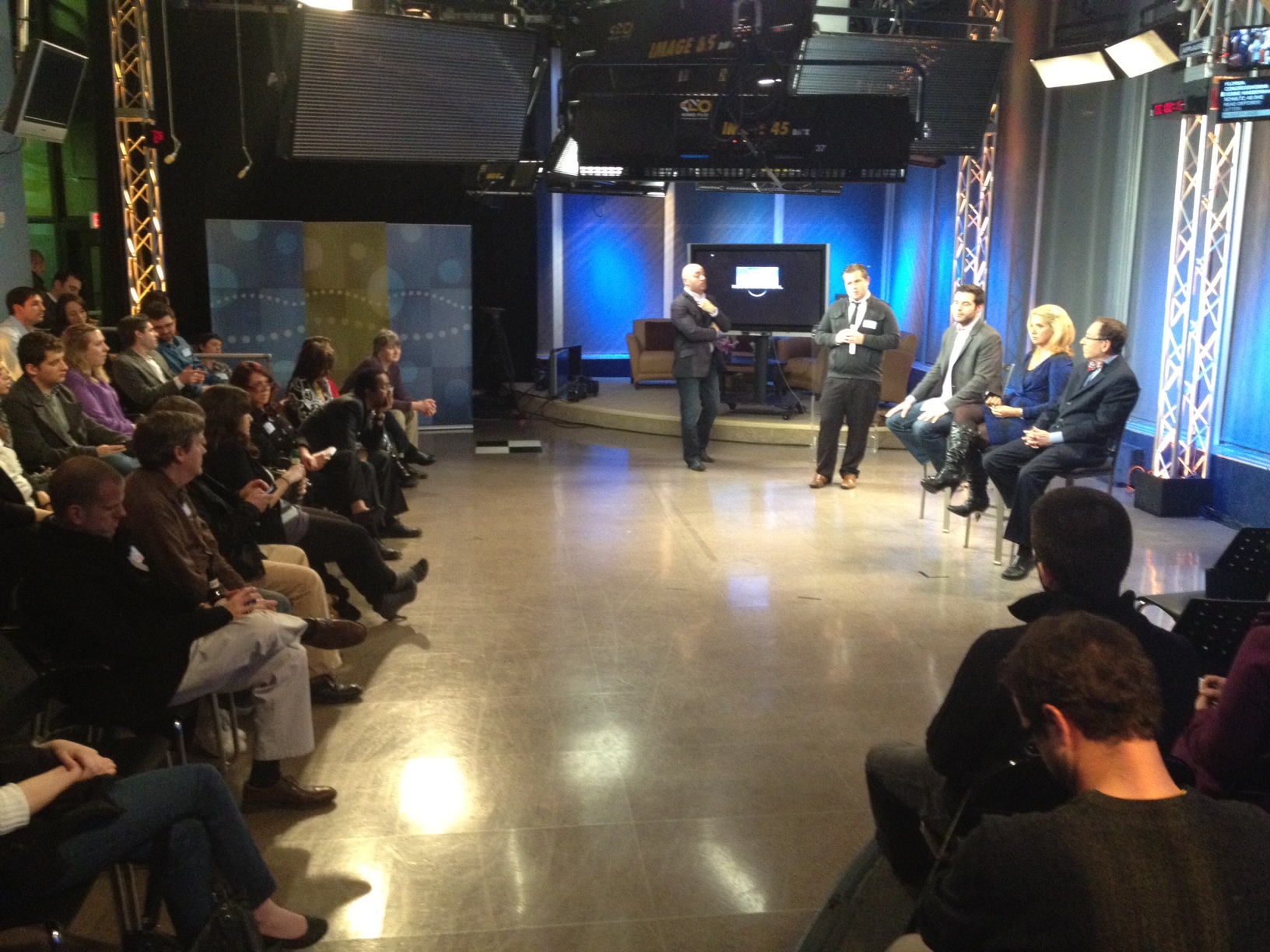
More than 50 people watched a panel discussion in the 10! Show studios featuring NBC 10 staff Vince Lattanzio, Tracey Davidson and weatherman Hurricane Swartz.

Local TV news is, perhaps even more than other in the media business, a ratings game.

That’s a distinct takeaway I had, leaving NBC Philadelphia headquarters on City Line Avenue after the latest local ONA meetup featured the affiliate’s web strategy and news direction. More than 50 journalists, NBC 10 representatives, bloggers, freelancers and other media representatives had Yuengling and pretzels before seating in the 10! Show studios. The event was well-planned, well-run and well-received — though this writer is one of the local group’s organizers, outside of promotion, this event was entirely organized by NBC 10 social media editor Lou DuBois.

The event featured video clips from the WCAU station’s long history, presentations on the affiliate’s web and mobile strategies and then a panel Q&A session featuring the station’s tech trends reporter Vince Lattanzio, its consumer reporter Tracey Davidson and its weatherman Hurricane Swartz, moderated by social media editor and event organizer DuBois, who did a smashing job. It was a distinctly different (and so thoroughly compelling) event than our group’s other two programmed events like this, one with the Philadelphia Media Network and the other with public media outfit WHYY.

While the latter is a nonprofit and NBC 10 partner, the former also has to operate as a business with investors in mind. So, it was interesting to hear the suits talk so differently about the work they do.

Continue reading Local TV news is more entertainment than journalism and other notes from NBC 10 ONA Philadelphia Showcase [VIDEO]

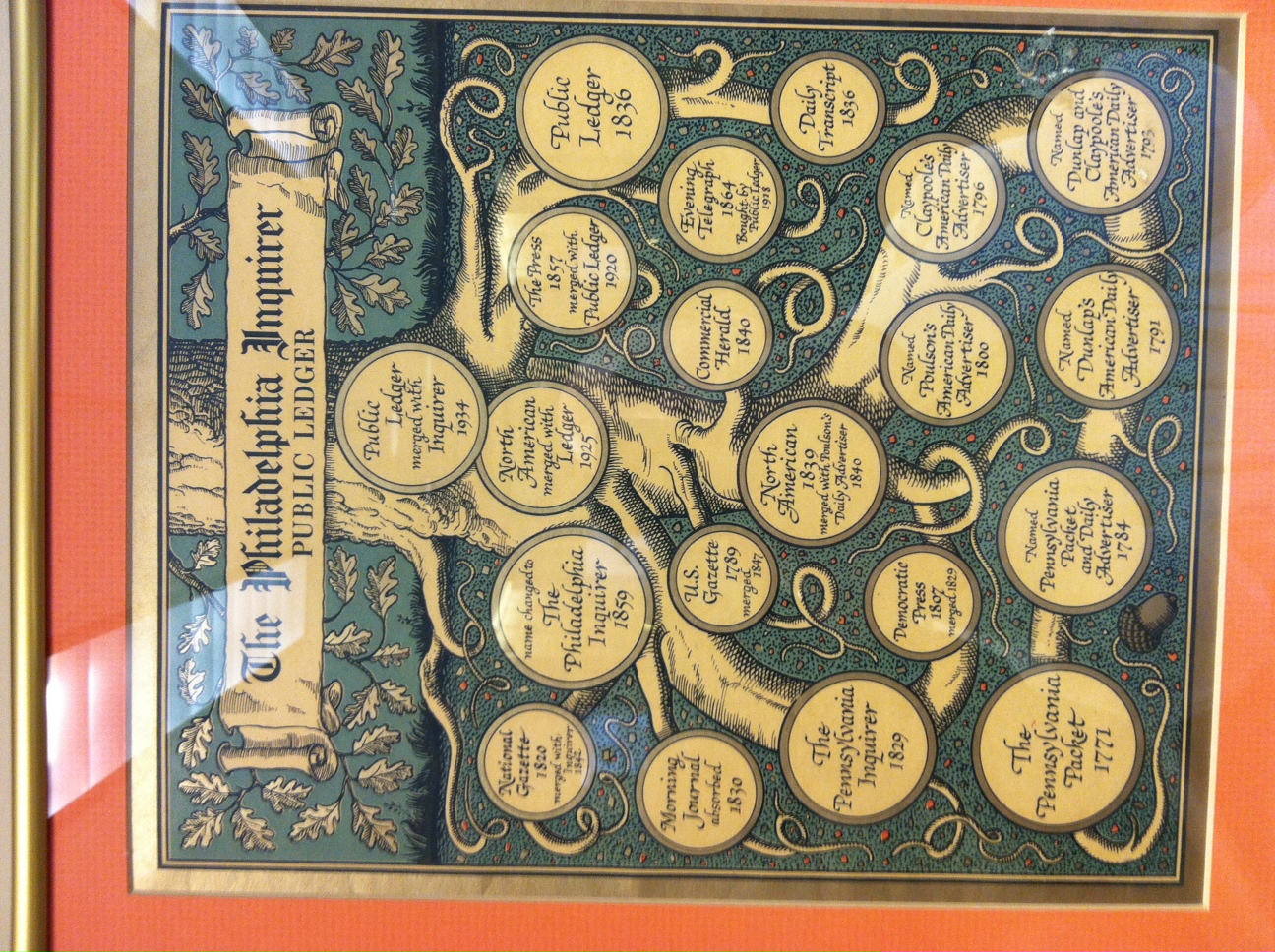
A Brief Timeline of the History of Daily Newspapers in Philadelphia

This Philadelphia daily newspaper family tree is framed in the Inquirer editorial board room at 400 N. Broad Street. Photo by Russell Cooke. Click to enlarge.

There were a dozen or more daily newspapers in Philadelphia at one time, I hear. Trouble is, I couldn’t seem to find anyone who could name what all of those papers were.

So I went and did some good old fashioned research — with some great direction from representatives of the following institutions.

Below, find a historical timeline of daily newspapers in Philadelphia, or at least what I could decode using four sources: primarily the Pennsylvania State Library newspaper collection [call number: Philadelphia] and the archives of the University of Virginia, with some help from a 1997 collection of essays called ‘Nearly Everybody Read It,’ edited by Peter Binzen (whose other book I recently read) and an essay from Broadcast Pioneers of Philadelphia member Gerry Wilkinson. (I compiled some other notes on the Inquirer here.)

Check it out below and offer any criticism or comment — I’m certainly expecting that this is incomplete, so any other leads are appreciated!

Continue reading A Brief Timeline of the History of Daily Newspapers in Philadelphia