Journalism is a set of values, not an industry of competitors

Journalism is the process of helping a community near its truth, as I defined it at a conference last year.

Though it’s common among media innovators to talk about newsrooms not being in competition with each other, the central reasons why aren’t as readily addressed. Legacy business models are running on fumes. Those leading them just might close enough to retirement that they don’t feel the need to adapt. The rest of us must.

Earlier this fall at a small gathering of newsrooms from across the country and then again last month at Klein News Innovation Camp, I gave presentations that again hit upon this theme. I took a new approach to the theme.

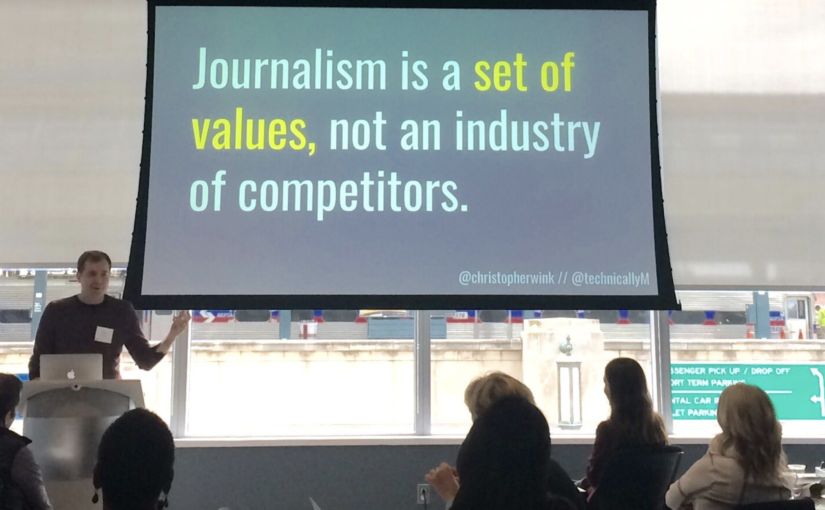
Journalism is a set of values, not an industry of competitors.

The business model that developed over a couple centuries was so successful that we ended up with a monoculture but that was no inevitability. We must understand that what journalism practitioners share is a belief in how the world should operate. We believe journalistic standards and its related approaches are effective at building a kind of community that has power. That’s a worldview; it’s a philosophy that could be brought into many different circumstances, organizations and campaigns.

https://twitter.com/HannahDotYoung/status/920006650253271041

My slides can be found here

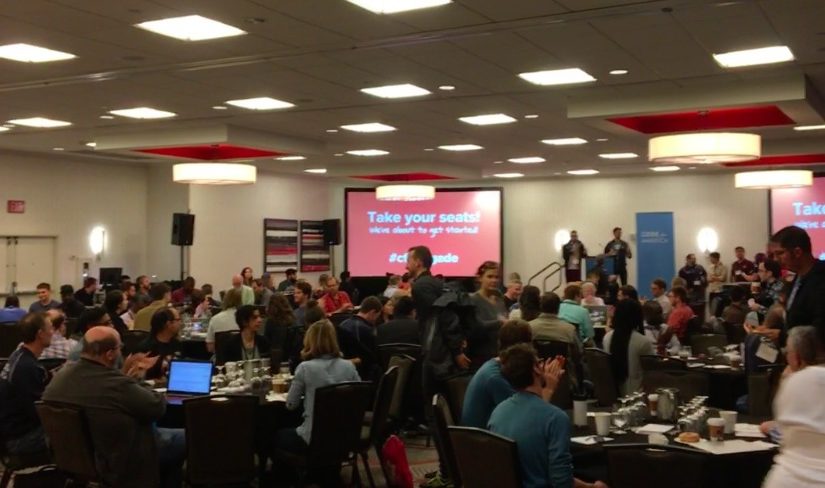
I helped organize Code for America’s inaugural national Brigade Congress

Long a believer in the importance of the nascent civic technology community, I’ve been a fan of national nonprofit Code for America. So I was thrilled for the chance to support the group in producing its first ever Brigade Congress, a national unconference focused on civic tech, last month.

Continue reading I helped organize Code for America’s inaugural national Brigade Congress

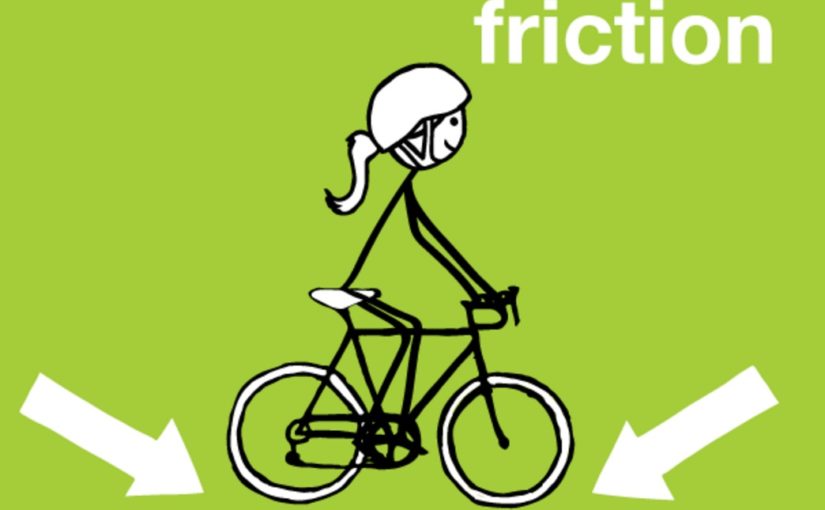
In defense of friction (Or, yes, I think business cards still make sense)

I’ve met a lot of startups trying to get rid of business cards. Because they seem old and create obstacles.

I often gather several business cards from events and days later will go through them, pulling out the people who are the most relevant for something we talked about, someone whom we have a next step. That friction makes sense. It causes an opportunity cost: by making me take several steps, I am more selective.

There’s this concept of an efficiency tax, that sometimes we want friction. It helps the experience. Business cards are one of them.

Continue reading In defense of friction (Or, yes, I think business cards still make sense)

Journalists: what do you love first, the Reporting or the Writing

A version of this essay was published as part of my monthly newsletter several weeks ago. Find other archives and join here to get updates like this first.

One of the first questions I ask younger reporters when I meet them is which is their first love: the reporting or the writing. Storytelling, as the form is euphemistically categorized, is very old. The ways we report and write, too, have old origins, but their forms adapt with the times. They change constantly. I bet your industry has a similar kind of split, subtly different pathways to the professional work.

Continue reading Journalists: what do you love first, the Reporting or the Writing

Watch my appearance on the 2Techies podcast

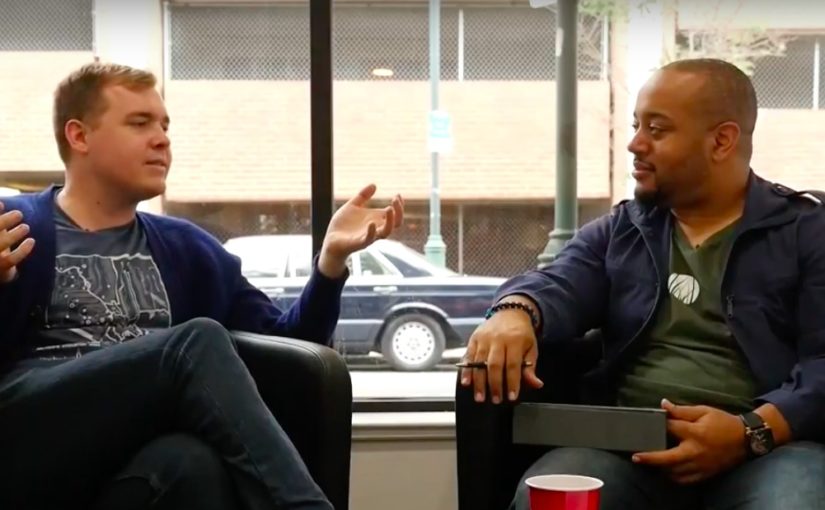
I first met Miami founder Michael Hall in early 2016 when I reported a feature on and hosted an event with the entrepreneurship community there. Since then, I’ve spent time with him a handful of times, at SXSW, over dinner and during another pair of trips I made to Miami.

He’s a charming and humble explorer in his and other startup communities, friendly enough to share with others what he learns along the way. So I was tickled to join him on the second season of his popular on-going weekly video podcast interview series called 2Techies, in which he interviews others involved in tech communities.

See it here, or watch it below with a few notes from our conversation.

Continue reading Watch my appearance on the 2Techies podcast

Great beat reporting results in you negotiating when to break news you already have

If a journalist covers her beat well enough, one of the more frequent challenges she’ll face is negotiating when to report something, if a source is requesting an embargo.

That was one of the main points during a session I helped lead during the annual conference of the National Lesbian Gay Journalists Association (NLGJA) about finding and reporting a niche.

Continue reading Great beat reporting results in you negotiating when to break news you already have

Watch my interview on ‘The Blind Entrepreneur’ podcast

Be more explicit with your team when you’re offering an opinion, a recommendation or stating a direct ask. Otherwise, a teammate might not know whether you’re sharing an idea or a demand.

It’s something I’m still learning and something I shared when I was interviewed on a podcast called ‘The Blind Entrepreneur.”

Host Johnathan Grzybowski helpfully has fuller show notes on the site here, where you can watch the episode. Find it below too.

Continue reading Watch my interview on ‘The Blind Entrepreneur’ podcast

Notes on reporting a challenging community journalism profile

I bylined a challenging profile of a Philly tech community member that published on Technical.ly last week. It was a 30-interview, 7,000-word kind of longread, something different than work I’ve done before.

I felt the story was important for a local community I serve, but I also felt there were broader lessons and concepts that I believe have relevance to other small communities everywhere. Between that and my own personal interest in continuing to develop my credentials in that kind of work, I invested quite a bit of my free time to the project over the last month.

We have published other pieces of longform — see other examples here. But this was the first person-specific long read profile I’ve written — others came close but were far less exhaustive. I have some thoughts to share below. If you haven’t already, please read the piece here.

Continue reading Notes on reporting a challenging community journalism profile