A History of the Eleven Rival Regional Cultures of North America

There was not just one American war for independence, and there are whole nations inside the United States that do not conform to state boundaries. Linguists in accents, anthropologists on material culture and political scientists on voting patterns recognize this.

That’s from American Nations: A History of the Eleven Rival Regional Cultures of North America, the influential 2011 book by writer-researcher Colin Woodward. It sparked much follow-on research, and the Nationhood Lab, which continues developing the book’s premise today.

Below my notes for future reference.

Continue reading A History of the Eleven Rival Regional Cultures of North America

The Moundbuilders of the Eastern Woodlands

The so-called “moundbuilders” of the Eastern Woodlands in the present-day United States were among the most complex cultures of pre-European societies. Yet growing archeological evidence remains under-recognized in American life.

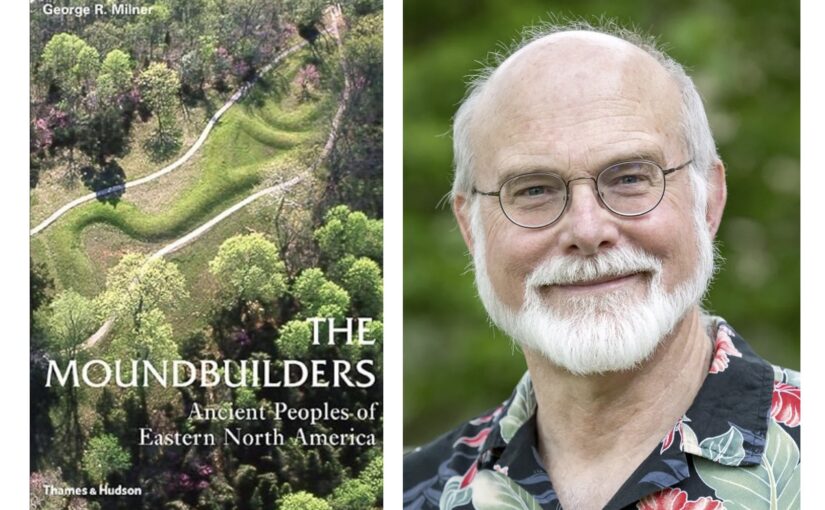
That’s from anthropologist George Milner’s 2005 book “The Moundbuilders: Ancient Peoples of Eastern North America.”

I’ve read about an array of Amerindian communities, but the moundbuilders, which appeared to be densely populated from Ohio down to Louisana, mostly west of the Appalachian mountains and east of the Mississippi River, especially interest me. This is the first book I read dedicated to this civilization, though they get referenced often in other places. Below I share some notes for my future reference.

Continue reading The Moundbuilders of the Eastern Woodlands

Knight Commission Report on Informing Communities: crib notes on the seminal 2009 project

Almost two years later, I read the entire Informing Communities: Sustaining Democracy in the Digital Age, the report of the Knight Commission on the Information Needs of Communities.

Debuted in September 2009, I tackled the 80-page document for “the Hardly. Strictly. Young conference I attended in April at the University of Missouri, which was dedicated to brainstorming alternative recommendations for implementing that report.

Not a journalism-only report at all and backed by a year of conversation, outreach and testimony, I wanted to share my notes and thoughts on diving into the seminal report.

Continue reading Knight Commission Report on Informing Communities: crib notes on the seminal 2009 project

Domestic Travel in 2005 and 2006

I did my best to see as much of the country as I could in the beginning of my college career. Here are some notable examples.

Continue reading Domestic Travel in 2005 and 2006

Lakota Reflections from the Rosebud Reservation


By Christopher Wink | May 25, 2006 | Travel Reflection

I have proudly represented Temple University on service immersion trips before. I have had South Dakotan ground beneath my feet before, too. Moreover, I have been with Jason Riley in a rental car and with John Dimino on an airplane before. Still, it is easy to understand that some experiences, no matter the similarities, can never be fully replicated.

Our group of ten administrators and students flew into Rapid City, South Dakota in May 2006, destined to work on the Rosebud Reservation of the Lakota Nation. While nearing the airport from above, below me South Dakota appeared wrinkled and aged. As we further approached, her features took form: trees that survived passed generations of agricultural clearing and beef cattle that survived passed days of agricultural slaughter.

This region of Dakota’s limitless expansion is only interrupted by flurries of elevation change. Once on ground, the pavement of interstate 90 appeared to have tamed the land into a consumable table of gentle slopes and caressing ridges. All of which leads me to offer muddled explanations of the region’s geographical features: endless plains with small, yet punctuated elevation changes interjected regularly.

Continue reading Lakota Reflections from the Rosebud Reservation