Note on “Reporting the Revolutionary War” from 2012 by Todd Andrlik

As Mark Twain put it: “History is the pale and tranquil reflection” of news.

Before the patriotic tales of heroism, there was urgent, partisan and divided reporting about the relationship between American colonists and the British crown. In his 2012 book Reporting the Revolutionary War, Todd Andrlik gives us a chance at seeing the events when there was nothing predetermined.

The book is heavily reliant on scanned copies of original source newspapers (both from colonial and English accounts), with some contextual interpretation from 37 historians. I recommend the book for a visual look at the fast-paced beat reporting the era. Below I share just a few notes that stood out to me.

Continue reading Note on “Reporting the Revolutionary War” from 2012 by Todd Andrlik

Little ways an organizational leader can show her team she cares about them as people

Pay them a competitive salary. Protect against mission and role creep. Give something clear to work toward and a strategy to employ to get there.

As an organizational leader, these are the foundations of developing a healthy relationship with your workforce. I’ve found there are other signs of an empathetic organizational culture that you can develop, without excessive budget needs.

These are examples of ways to show your team that you actually care about them as people. It goes a long way to develop the relationships you need to take on a big challenge, particularly without a pile of money.

Continue reading Little ways an organizational leader can show her team she cares about them as people

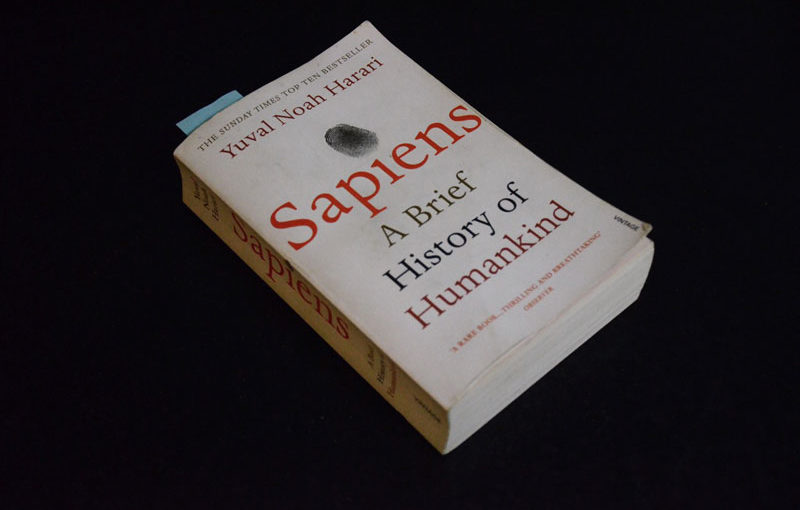
Notes from reading ‘Sapiens,’ a brief history of humankind

Our species, Homo sapiens, first grew powerful by banding together through myth-making. That self-deception is our strength and our curse.

That is something like the thesis of Sapiens, a kind of pop anthropology anthology that has — like all books that generalize heady issues — caught both praise and derision. Written by Yuval Noah Harari, it was first published in Hebrew in Israel in 2011 and in English in 2014. I was gifted a copy by a collaborator of mine, Deborah Diamond and I read it in a couple weeks. I’m sharing here some of what I got from reading it.

Public intellectuals seem to face a harrowing choice. Either dive deeply into their subject matter to influence their peers but risk their ideas remaining obscure, or focus on translating and synthesizing for a broader audience, and attract scorn from those deeper situated in the academic. Harari is squarely in the latter category, garnering a 2018 New York Times profile focused on the adulation he’s received from tech executives, despite his criticism of their work.

Like a breakout hit in linguistics that I read, I approach these books with neither extreme. I find them fun, discover ideas to dive deeper into and often get inspiration. That was my experience with Harari’s book — even though I found myself ignoring extended passages of his extrapolation. I enjoyed it.

Continue reading Notes from reading ‘Sapiens,’ a brief history of humankind

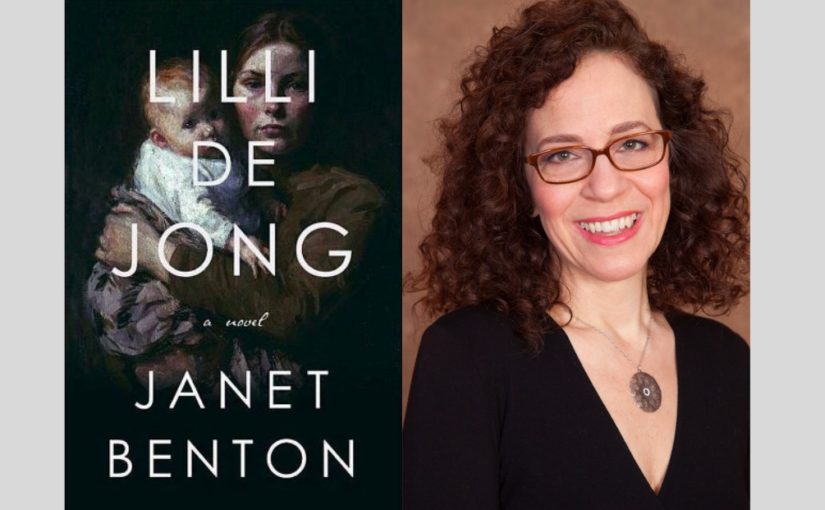
To get only the ‘right’ words on paper, that’s the struggle: Janet Benton

As a followup to my 2018 podcast The Writing Process, I’m sharing occasional interviews with other celebrated authors, storytellers and other writers to gather their own writing advice.

Below, hear from Janet Benton, whose historical fiction novel Lilli de Jong came out in paperback last year. (Follow her on Twitter here) When her debut novel launched, Bustle called it striking and NPR listed it as one of its books of the year.

The book, known as a poignant look at feminism and motherhood, set in 1883 Philadelphia, is readily available as a hardcover, paperback, large-print edition, audio book and ebook through most booksellers and online.

Continue reading To get only the ‘right’ words on paper, that’s the struggle: Janet Benton