How print will remain relevant: the solution is in the problem

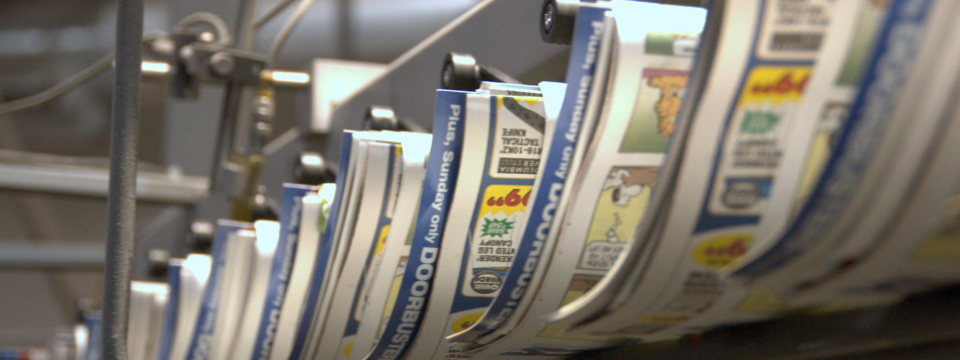
Printed media are inflexible, expensive and in-viral, and that’s why its utility will last. That’s what I told nearly 100 mostly older, more established attendees of the annual American Association of Independent News Distributors conference inside the Times Square Crowne Plaza May 1. Looking on it now, having not been given my context, my words were likely a little surprising and surely unusual.

Continue reading How print will remain relevant: the solution is in the problem

I put people first, then technology: Biz Stone

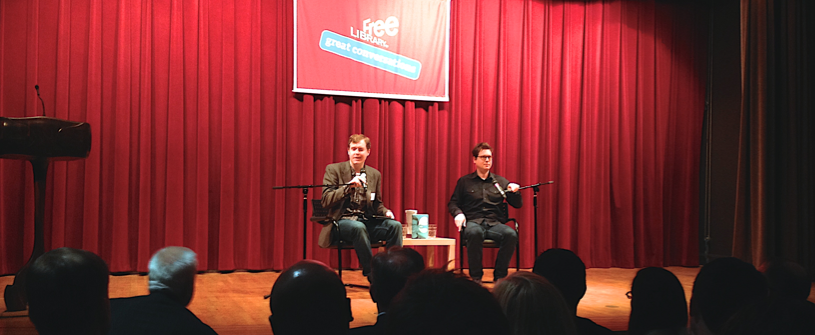
To promote his new book ‘Things a Little Bird Told Me,’ Twitter cofounder Biz Stone was at the Free Library of Philadelphia for a ticketed, breakfast event for which I interviewed him on stage for a half-hour before audience questions finished the morning.

My line of questions can be seen here. I tried to to steer the conversation away from what has already been said by Stone, a well-covered tech entrepreneur who is in the midst of a popular book tour, but we still hit upon some of what has already been covered: the designer by trade has focused on bringing the human touch to software.

That helps explain how decidedly simple Twitter is and how Stone’s new startup Jelly, a network-driven answer app, has stayed focused on getting social responses.

Continue reading I put people first, then technology: Biz Stone

NEast Philly: everything I learned by working on this now-closed hyperlocal news site

The hyperlocal news site NEastPhilly.com that served Northeast Philadelphia for five years stopped publishing in December and was closed by founder Shannon McDonald. During that time, I helped her with strategy, reporting and web work. Since its closing, I’ve wanted to share a few lessons from that time.

Find out why Shannon decided to stop publishing NEast in her own post here. Below, I share what I learned (find other writing here I did about NEast here).

Continue reading NEast Philly: everything I learned by working on this now-closed hyperlocal news site

Journalism isn’t what we should try to save: Philly example

A couple times a year, someone in Philadelphia technology will say to me, what that community really needs to broaden its prominence is “its own Tech Crunch,” a reference to the established and influential tech business blog with Silicon Valley roots. The implication is, with all due respect to the maturity of Technical.ly Philly (relative to our newer, smaller markets) and its readership and regular events, that Philadelphia needs a megaphone to a global audience of investors and talent.

When someone says this, I hide my cringe and instead I politely nod, before changing the subject.

Of course, a statement like that shows a profound lack of understanding of audience, goals and impact in online media. Tech Crunch is established and influential because it covers big, well-funded tech business nationally, not a fledgling community in a non-traditional hub. Technical.ly Philly looks the way it does because of where it is. It doesn’t have national readership because it isn’t national in focus. The people who say “we need a Tech Crunch,” are confusing outcomes and solutions (Silicon Valley was the global tech leader first, then it spawned Tech Crunch, not the other way around).

Put another way: Media is a Mirror. This is a problem that happens elsewhere.

Continue reading Journalism isn’t what we should try to save: Philly example
15 things Ice T said during an insightful speech at an MIT event I also spoke at

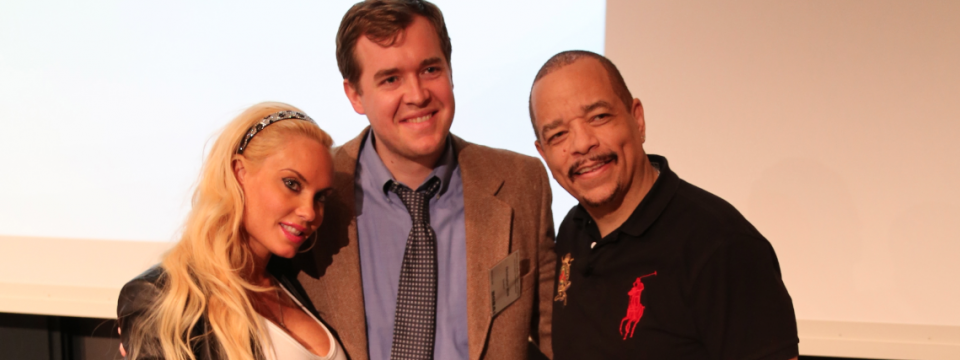
Approach pitching a reporter like any business act, with purpose. I gave an updated version of a presentation I’ve given before on how to get your business media attention, with my continuing to evolve thoughts about the process, as an editor and reporter, to a Small Bytes entrepreneurship conference at MIT in February. But the keynote was rapper turned actor Ice T and proved interesting to be sure.

He was funny, smart and, truly, actually fairly insightful. He knew who he was and was playful about that but he had a long life of experience. It made me think about how valuable time-developed wisdom is. Pop culture or not, he had some wonderful stories with practical thoughts.

Maybe the personally most amusing part was that because I spoke right before Ice T, he watched my talk and referenced it a few times, referring to me as “the reporter.” I will smile for years in the future whenever I think of Ice T saying, after I addressed the crowd and told them that the media doesn’t owe anyone any favors: “Like the reporter said, no one gives a fuck about you.”

Though I was expecting to mostly just be amused, instead, I found myself jotting down a few notes worth remembering. Find them below.

Continue reading 15 things Ice T said during an insightful speech at an MIT event I also spoke at

To pitch a reporter, there’s an invisible point threshold you need to cross

While part of a roundtable on media exposure at a Knight Foundation grantee event last year, an audience question got right to the point of what many organization leaders want from reporters: what will it take for you to cover my work?

The idea is that we in media have a bigger audience and offer an endorsement of legitimacy. Whether or not that’s true, it’s why so many seek any snippet of coverage. It also got me thinking about trying to create some data point to help others outside of this industry understand what it takes to get the attention of a reporter and an editor.

Continue reading To pitch a reporter, there’s an invisible point threshold you need to cross

9 real ways I use social media to report that won’t bore you

Ten years into the modern social media era can leave even the most reluctant digital reporter bored by tactics for news gathering online. Still, though the source gathering, link sharing and network building are common acts, there are other ways I use these open platforms.

Here are some of those ways.

Continue reading 9 real ways I use social media to report that won’t bore you

We need to deploy ‘Acts of Journalism’

The idea of ‘citizen journalism’ was always going to be short-lived.

It did its job to articulate that after generations of highly professionalized news-gathering we needed help. Now both professional and amateur journalists need a new understanding of the work we do.

I’ve been using a somewhat clunky and certainly pretentious-sounding phrase for some time now: producing “acts of journalism” to refer to the many outcomes that lead to honest dialogue about an idea and concept.

This could be data visualization and panel discussions and, yes, article writing, with a feature lead and a nut graf. So I was quite tickled to see Josh Stearns use this phase as the title of an important report he published for the Free Press Institute this fall [PDF].

As the Harvard Nieman Lab went on to point out: the report raises the crucial question of how Shied Laws should protect such acts.

This is a healthy reframing of journalism practitioners, and others who take on the work when relevant to their passions and interests.

In defense of perceived negativism in good community reporting

In our first few years of publishing Technically Philly, we’ve heard two pretty common criticisms. Some outside our community might say we’re too close and therefore too kind to those we report on. Some insider our community say we’re too critical.

Continue reading In defense of perceived negativism in good community reporting