"A different path was possible," former Facebook exec turned whistleblower writes. "We all would be better off.”
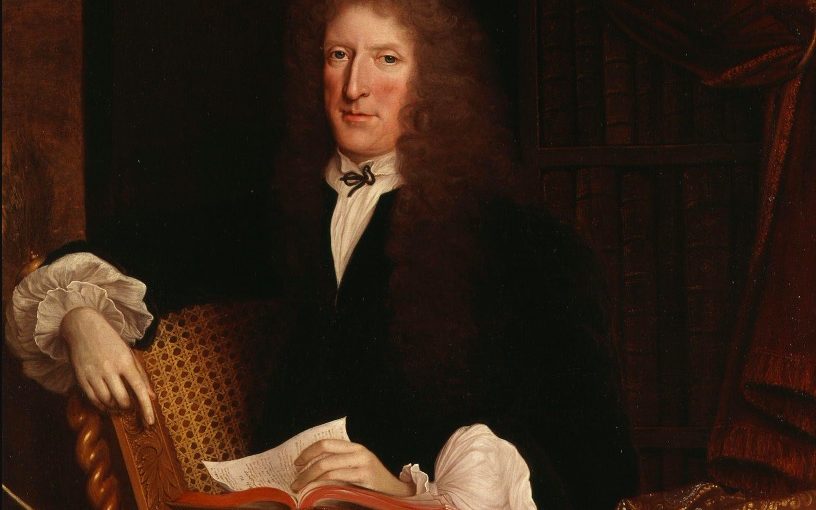
Mark Zuckerberg could reign “like the Queen,” writes Sarah Wynn Williams.
She’s the former Facebook exec turned whistleblower who’s new book Careless People details her time working closely with Zuckerberg, Sheryl Sandberg and other international staff.
“I’m struck by the impermanence of importance,” she writes. “And yet, Mark could conceivably continue to hold his place cheering world leaders for another 50 years. He’ll see these leaders off in the generations of leaders that follow them.”
Other former staff at Facebook, later renamed Meta, were critical of Wynn Williams’s portrayal. But the book is detailed and riveting. It portrays not evil-doers, but, like the characters in the Fitzgerald novel that originates the book’s title, self-interested and vain people who have more power than they’ve earned.
“A different path was possible,” she writes. “We all would be better off.”
That an increasingly personalized web would create vastly different views of the world has felt more prescient over time.
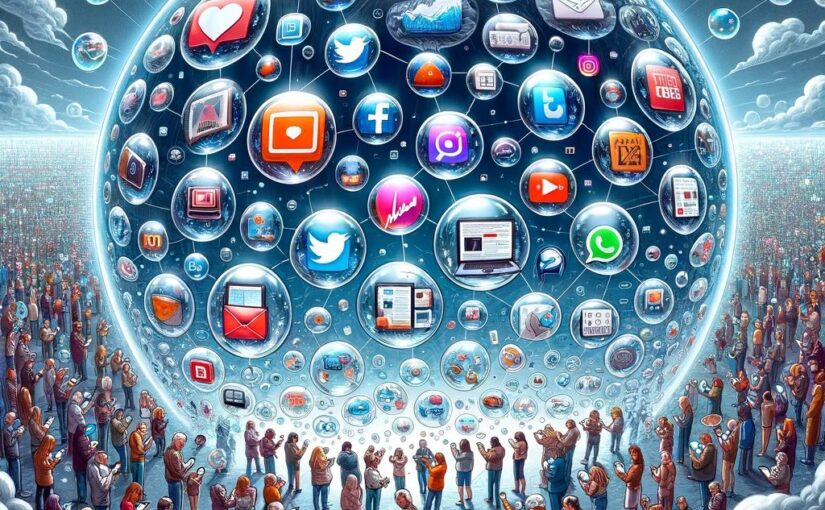
In 2010, political organizer and web entrepreneur Eli Pariser introduced a new term with his book The Filter Bubble: What the Internet is Hiding From You.
That an increasingly personalized web would create vastly different views of the world has felt more prescient over time. Though I’ve been familiar with Pariser and the book’s premise, I only now read this as a foundational text. It’s still worth the read, even to know where we were a decade ago.
There are many parallels between early newspapers and today. Like then, today big tech platforms are vilified for taking creative destruction to a more harmful end to civic discourse.
Then partisanship and misinformation gave rise to the modern concept of editing. Perhaps something akin is happening again.
Earlier this month, I proposed to my longtime girlfriend, saying that we would both be happier and healthier if we lived together for the rest of our lives. She agreed.
That was on a Wednesday. Within an hour, we had the conversation that will confront other web-minded engaged couples today: how should we tell the Internet? It’s the logical maturation of the old idea that online, everyone is both publisher and brand. This news would be acknowledged or shared on the social web with or without our permission, so we ought to at least have it happen to our own liking.
I keep most of my love, romance and emotion private. Here, it’s all about process and lessons. This is what I learned from sharing a big personal update online.
Ten years into the modern social media era can leave even the most reluctant digital reporter bored by tactics for news gathering online. Still, though the source gathering, link sharing and network building are common acts, there are other ways I use these open platforms.
I’m moderating a panel on privacy, security and democracy concerns surrounding the social web at the National Constitution Center in Old City, Philadelphia next Thursday.
You should come. More details here. It costs $10 for non-members.
I’m interested in moving to the next step, creating more compelling Facebook pages that keep people coming back, attract more eyeballs, develop brands, help create communication and, of course, help push eyeballs.
I’ve been moving through some conversations, trying to pull out the best lessons. I’m not behind anything compelling yet, but I’d love to do something fun with NEast Philly’s incredibly active Facebook page.
I tend to watch films in move theaters when I think they’ll have a particularly significant impact, will be worth remembering years from now and, of course, when I’m lured in by the story.
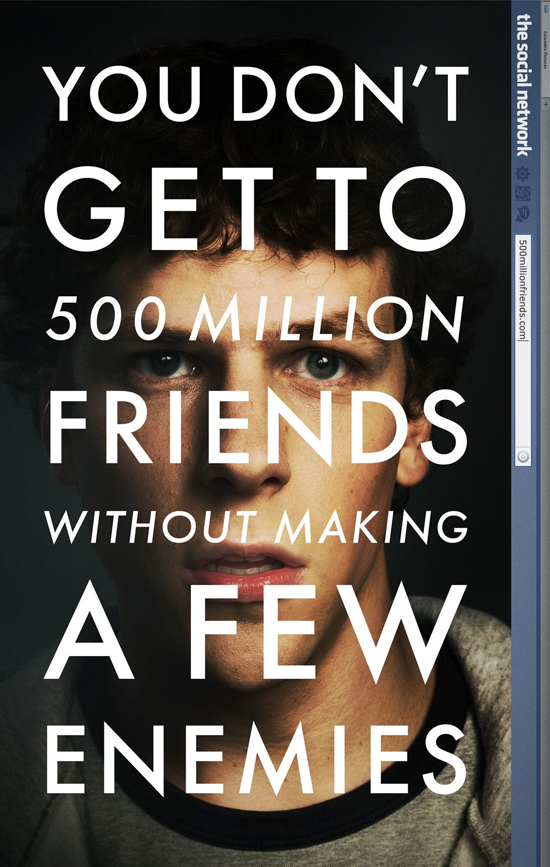
The Social Network, Aaron Sorkin’s film that tells with some literary license of the meteoric first-year rise of Facebook, fit the bill.
Last week, I saw and was greatly entertained — call it a 9 out of 10, not perfect but sure close and worth the price of admission.
I am <a href="http://christopherwink.wordpress.com/2008/07/03/the-end-is-here-christopher-wink-joined-facebook/">new to Facebook</a> - though I have gotten on <a href="http://christopherwink.wordpress.com/2008/08/18/i-have-400-facebook-friends-what-ive-learned/">my hustle to maximize readership output</a> from it.
At the end of July,<a href="http://blog.facebook.com/blog.php?post=23612952130"> the social networking giant announced a new version</a> they were rolling out. Since joining, I ignored the offer to voluntarily take it on - having found to like Facebook and heard rumors of the its next model falling short.
Well, on Wednesday night the trial ended, and I got the new version. Oh, the rumors are right - the new Facebook sucks. The social utility <a href="http://vanelsas.wordpress.com/2008/04/16/5-reasons-why-facebook-sucks/">gets criticized all the time, for things like</a> restricting user freedom, having once-revolutionary but now outdated news feeds, and its spam-like applications. Now it seems to have taken a step backwards.
<!--more-->
The most consistent criticism is <a href="http://www.justincox.com/2008/why-the-new-facebook-sucks/">how disorganized profile pages seem now</a> because of Facebook's attempt at the Web 2.0 feel of rounded edges and fewer borders. Their news feed got lamer and muddier, as pages were broken into various tabs.
There is also wide criticism of <a href="http://www.wearenotfreelancers.co.za/view_item.cfm/title/why_the_new_facebook_sucks">truly specific design flaws that go beyond me</a>.
<a href="http://www.stanleytang.com/2008/07/22/3-reasons-why-the-new-facebook-sucks/">Another critic rightly points</a><a href="http://www.stanleytang.com/2008/07/22/3-reasons-why-the-new-facebook-sucks/"> out that</a> Facebook seems to be taking on Twitter (<a href="http://www.twitter.com/christopherwink">follow me</a>) with a more dominant "What are you doing?" box and concurs about the loose-feel of pages. There also is a lot of criticism over<a href="http://www.justincox.com/2008/why-the-new-facebook-sucks/"> their use of white space</a>.
<a href="http://www.wearenotfreelancers.co.za/view_item.cfm/title/why_the_new_facebook_sucks">We are not Freelancers</a>
<em>Image from <a href="http://stupid-studio.com/v1/?p=288">Stupid Studio</a>.</em>Tracking our Twitter followers from January 2010 to April. Back on My Feet launched a campaign on the Web in January.
Last month marked three months since I started at nonprofit Back on My Feet and launched a concerted effort to share more member stories and help develop a better, broader online relationship with our volunteers, members and supporters.
The first step in that process was to reawaken our social media accounts — the best platforms to create Web communities and ones buttressed by an organizational blog that I hope to more formally announce soon. Because our organization is all about accountability, we wanted to see how we’ve done.
I thought some lessons or benchmarks might be able to be garnered for others interested in social media use by nonprofits or other organizations, so I’ll share our progress below.