Economic development strategies must focus on people, not companies

Economic strategies should focus on people, not companies.

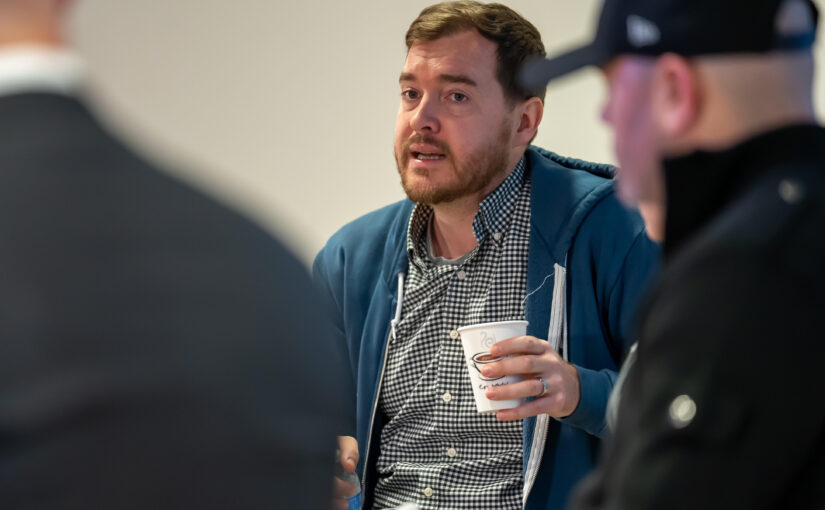
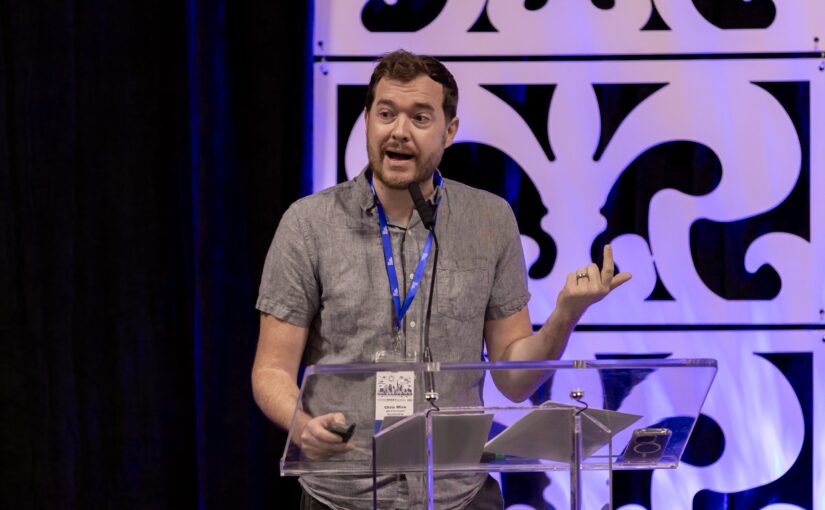
It was always true but the pandemic made it obvious, as Technical.ly reporting has shown. I said something like that in an opening keynote before leading a conversation at the Young, Smart & Local conference in New Orleans last week. I then got to lead a conversation with Dominique Clarke of Tulsa Remote and Perry Sholes. I’ve written on the topic before, but I pulled together data analysis across my reporting. My slides and other pics courtesy of the conference are below.

Continue reading Economic development strategies must focus on people, not companies

Named an ‘Advocate for Equity’

Though I was confident I wasn’t going to win, this really was one of those times where I felt honored to be nominated.

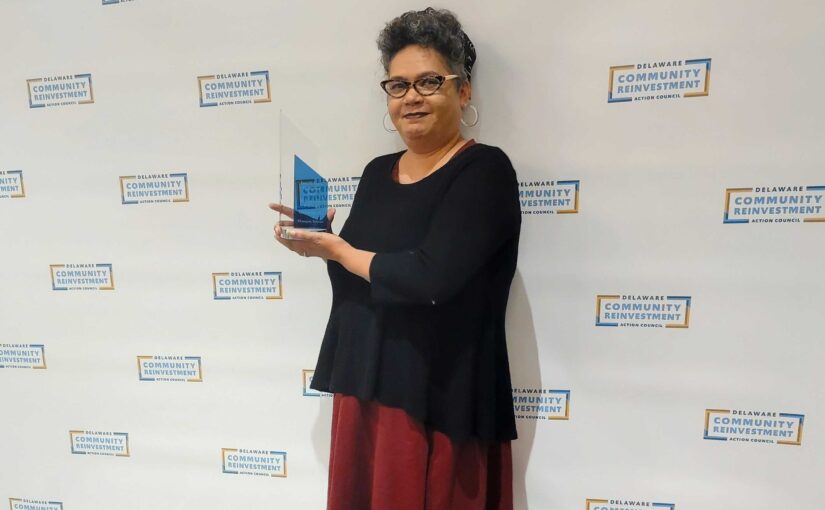
I was listed among five collaborators and genuine friends as a nominee to be called a top “Advocate for Equity” by 1Philadelphia, a new initiative focused on inclusive innovation in the region. My bud Michael O’Bryan, who runs a consultancy and is a popular champion of equity efforts, took the honor at an event Saturday. It was part of what the group calls its Innovation Weekend.

Continue reading Named an ‘Advocate for Equity’

When Achievement Culture Becomes Toxic

Kids who graduates with high marks at high-achieving schools were later put into a high-risk category for mental health disorders.

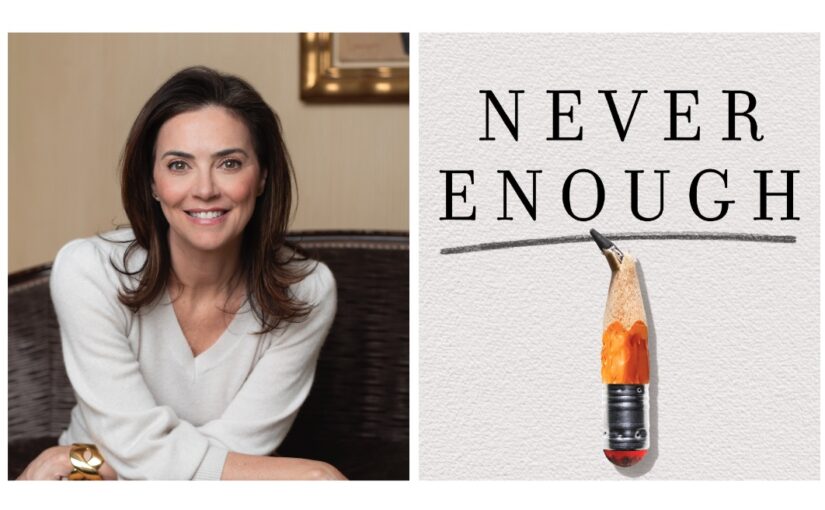
Something felt off, so journalist Jennifer Breheny Wallace wrote ” “Never Enough: When Achievement Culture Becomes Toxic-and What We Can Do About It.”

I read it as a parent, so my notes are scant but the point is clear: Pushing kids for academic achievements can reverse course years later. Better to encourage a healthy and happy relationship with learning. Trouble is that short-term outcomes look good for pushing kids — grades go up — but on the longtail, they’re less happy.

Continue reading When Achievement Culture Becomes Toxic

Middle managers matter: remarks at TAB event

1 in 5 professionals in the United States now manages people — major growth since 2000, as our economy has shifted. Lots of them are there for the wrong reasons. The good ones do magic. I said something like this on behalf of Technical.ly next to honeygrow founder/CEO Justin Rosenberg and ORS Partners ops Leslie Hafter at this energizing breakfast conversation put on by Matthew Saline and Mike Krupit for the TAB CEO community. Thanks for the opportunity!

Continue reading Middle managers matter: remarks at TAB event

Writing for Busy Readers

More words add nuance but clutters central message. Which is your preference: the details or the point?

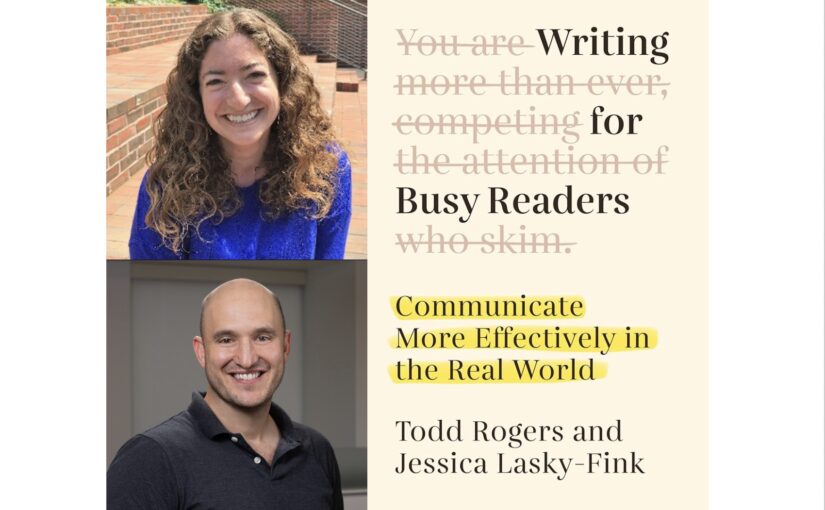
It isn’t always one or the other, but if you’re writing for busy readers and broader audiences, you ought focus on the point. That’s among the themes from a new book by Jessica Lasky-Fink and Todd Rogers called “Writing for Busy Readers: Communicate More Effectively in the Real World.” Add it to a helpful collection of writing about writing that I enjoy.

They have a nice simplified chart here on a site of resources. Below I share my notes for future reference.

Continue reading Writing for Busy Readers

Born in Blackness by Howard W. French

The so-called Age of Exploration wasn’t driven by Europeans chasing goods from Asia, a continent with which they had tied for centuries. European developed modern navigation and empire-making in pursuit of the gold-rich African empires that were beginning to open.

That set off the last 400 years of history, including the modern, caste-making of race, simplifying all African peoples into a single “black” category. That’s from the 2021 book by longtime journalist Howard W. French called “Born in Blackness: Africa, Africans, and the Making of the Modern World, 1471 to the Second World War.” (A review here)

Below find my notes for future reference. I didn’t take as thorough notes as I often do because I found myself reading with a near-toddler but it’s a start.

Continue reading Born in Blackness by Howard W. French

Simon Sinek’s Infinite Game

Most games have fixed rules and clear ends — the sports and activities we associate with play. Other games have the single goal of keeping in the game — war, politics and life being the most prominent.

That’s a framework first established in a 1986 book by academic James P. Carse (1932-2020), and reinterpreted by The Infinite Game, a 2019 book by consultant, speaker and business-book author Simon Sinek. Sinek turned it into a business book bestseller.

His version references Apple, Microsoft, Walmart, Starbucks and other popular big consumer brands because that’s what all these books do. There’s some nice framing but on the whole it reads like an audition for Sinek’s next speaking or consulting gig.

Below I share my notes for future reference

Continue reading Simon Sinek’s Infinite Game

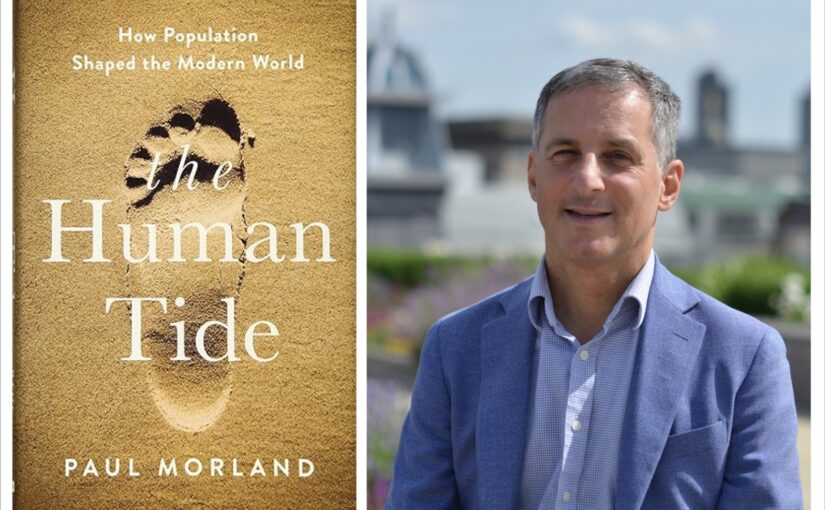
The Human Tide: How Population Shaped the Modern World

In the 1798, English economist Thomas Malthus described a common phenomenon: successful societies tended to increase their populations until food systems couldn’t keep, triggering population collapse.

He correctly described much of recorded history before him. Ironically though, just as he was writing, the first few rich states were escaping the “Malthusian trap” with the rapid improvement in food production efficiency. For the next two centuries, successive waves of countries beat the trap, and saw their populations soar. Only now do demographers look out into the future and expect population decline by 2100, thanks to slowing birth rates.

The remarkable acceleration and now deceleration of population growth is the human tide that is described in the 2019 book by demographer Paul Morland called “The Human Tide: How Population Shaped the Modern World.” I’m fixated by how big global trends like these shape empire, and Morland’s book does a fine job explaining the trend. I recommend it. Below I share my notes

Continue reading The Human Tide: How Population Shaped the Modern World

What do we do with the art of monstrous men? Whatever you need to do with it
Consuming a piece of art is the collision of two biographies: the artist who can shape the viewing and the consumer who views. This makes evaluating art created by people who have done heinous things in their personal lives especially subjective.

Hemingway and Picasso, both of whom were especially cruel and vicious to the women in their lives, are the 20th century icons of this tricky question. Hemingway’s third wife Martha Gellhorn wrote that the great artist needn’t be a monster but rather monsters can only hide behind art: “A man must be a very great genius to make up for being such a loathsome human being.”

In the end, which art we set aside, and which we can still enjoy is up to the viewer, and the time period. (Chuck Klosterman writes about how art is reinterpreted by each new generation). Admittedly, if you have the choice of hiring or elevating a creative today who is cruel, you might choose differently. But in terms of consumption, well, that’s up to you.

“The way you consume art doesn’t make you a bad person, or a good one. You’ll have to find some other way to accomplish that.” Or so argues culture critic and essayist Claire Dederer in her book from this spring called Monsters: A Fan’s Dilemma.

I first came across Claire and her writing in her 2017 essay “What do we do with the art of monstrous men?” It seems to me one of the defining questions of the last few years, so I appreciate the effort she put into shaping mine and other’s perspectives. I recommend it. Below I share my notes from the book for future reference.

Continue reading What do we do with the art of monstrous men? Whatever you need to do with it