Can we mourn men who have done terrible things?

How should men who have committed heinous acts be memorialized in death?

I was asked that after a video I posted about a friend’s murder, and I’d like to answer it with a different personal story. Years ago, one of my closest childhood friends was accused and convicted of one of the worst crimes we have in our society.

I hadn’t seen him in many years but it’s hard to learn something like that about someone you once knew so well. I thought a lot about his victims, people I never knew and how they’d have his scar for the rest of their lives. I looked back for signs, I considered what it said about me to have once been so close to someone who did a thing like that.

Continue reading Can we mourn men who have done terrible things?
Bullshit Jobs

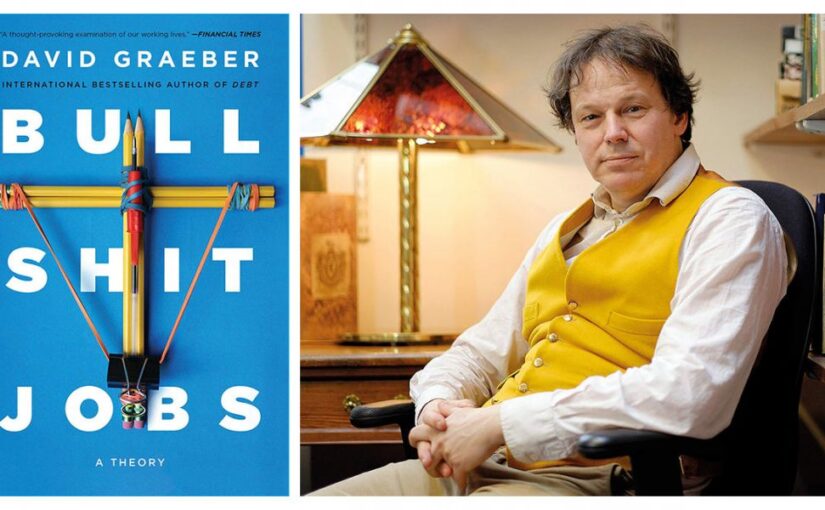
Two-fifths of jobs in the rich world are bullshit, not including those – such as office cleaners – that service the bullshit jobs. These legal, financial and clerical roles don’t add any economic value. Note the difference between “bullshit jobs” (they’re meaningless) and “shit jobs” (you’re not treated well).

They’re capitalism’s equivalent to Soviet communism’s needless roles to maintain high-employment. Or so argued anarchist-anthropologist David Graeber’s 2018 book Bullshit Jobs. The book came five years after an essay the author wrote on the topic went viral. He struck a chord.

The book’s criticism centered on how much time Graeber spent on definitions for a definitionally murky topic — relying heavily on subjective surveys to define what a “bullshit job” really is. Still the term entered lexicon and so is worth reading. After Graeber’s early death in 2020, I resolved to finally get to it, which I did. Below I share my notes for future reference.

Continue reading Bullshit Jobs

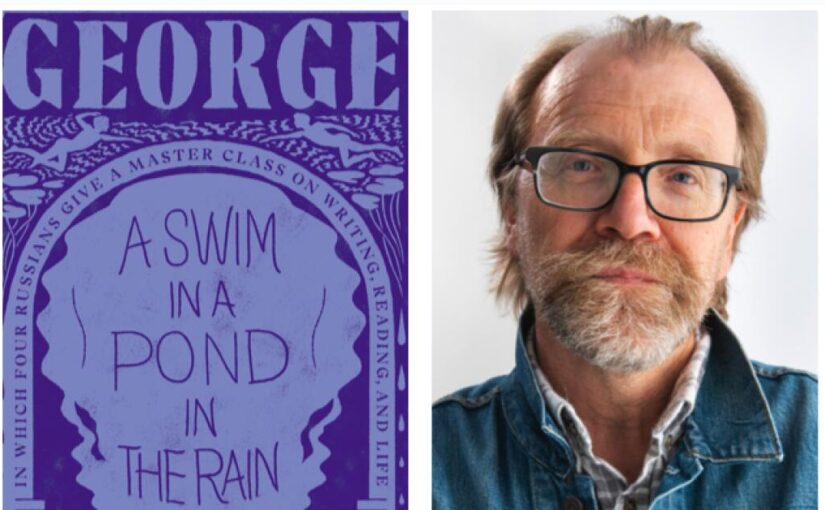
Lessons on writing from four Russian masters (and George Saunders)

We live our life letting only some instruments in the orchestra play, so when we write fiction we can explore the rest. To create great fiction, we must emphatically pursue our “radical preference,” and remove everything else

Few do it as well as the greats from a 75-year period of Russian masters. So argues George Saunders, today’s most celebrated American fiction writer and a well-regarded writing professor, in his 2021 book: “A Swim in a Pond in the Rain: In Which Four Russians Give a Master Class on Writing, Reading, and Life.”

He shares stories from four greats and intersperses his notes, based on a course he teaches. It’s approachable and generous. Below I share my notes for future reference.

Continue reading Lessons on writing from four Russian masters (and George Saunders)

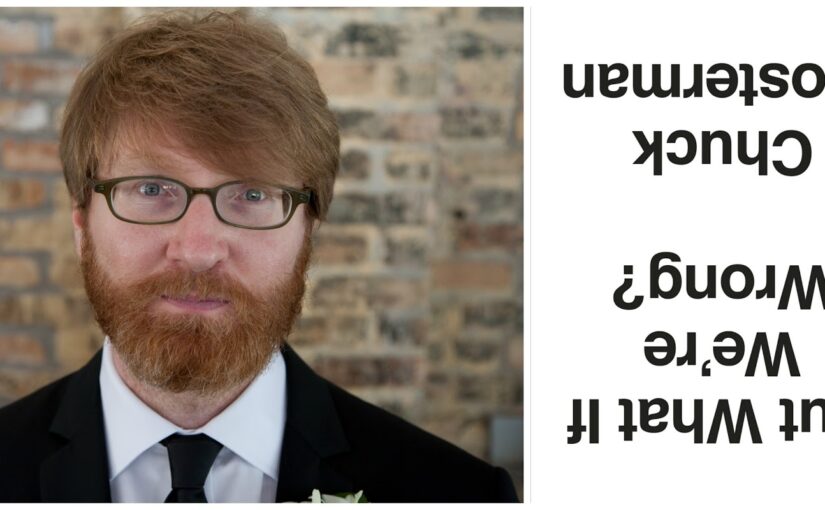
What if We’re Wrong: by Chuck Klosterman

Beliefs today, both objective and subjective, won’t necessarily be true in the future.

Discoveries upend scientific truths. Culture shifts in surprising ways. Art is used to interpret today and it’s repurposed later to interpret history of that future time, and these don’t need the same things. That’s why artists popular in one era aren’t necessarily remembered in the future, and so we might predict that the artists remembered from this era won’t be the ones celebrated in the future.

That’s among the big themes from But What If We’re Wrong?: Thinking About the Present As If It Were the Past, a quirky and charming 2016 book by media critic Chuck Klosterman.

Below I share my notes for future reference.

Continue reading What if We’re Wrong: by Chuck Klosterman

How poverty in America works

Poor Americans seem so perplexing to rich Americans because they live in different worlds.

We have two housing and two banking systems. We ask why don’t poor people make different choices but the whole point is they don’t have other choices.

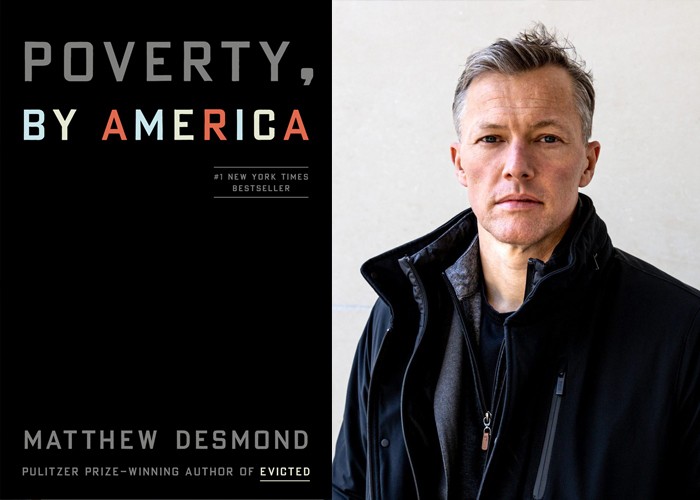
“The system isn’t broken. It’s bifurcated,” writes journalist Matthew Desmond in his 2023 book Poverty, By America. Below I share my notes for future reference.

Continue reading How poverty in America works

Gradual: The Case for Incremental Change in a Radical Age

Too often we seek big, dramatic and comprehensive change when the far more common and effective way to make change in a democratic system is through a grinding and collaborative approach.

One way that’s the case is because making real change requires three stages (the politics, the policy and implementing the practice) but we commonly forget that third step. All told, incrementalism gets a bad rap. Nearly all lasting change has happened gradually, not boldly. The world is complex, no coalition is ideologically cohesive and those implementing change are flawed.

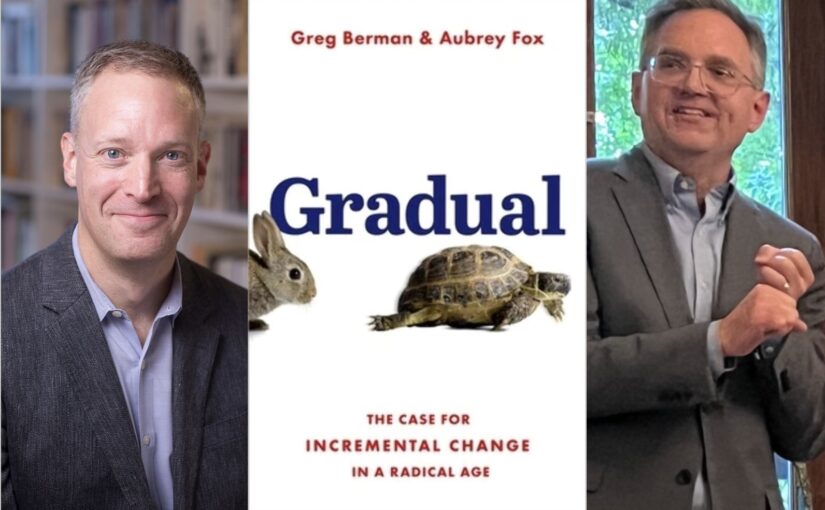
That’s the case made in the 2023 book “Gradual: The Case for Incremental Change in a Radical Age,” written by two longtime advocates in criminal justice reform, Aubrey Fox and Greg Berman. Below I share my notes for future reference.

Continue reading Gradual: The Case for Incremental Change in a Radical Age

Wine making with Patrick

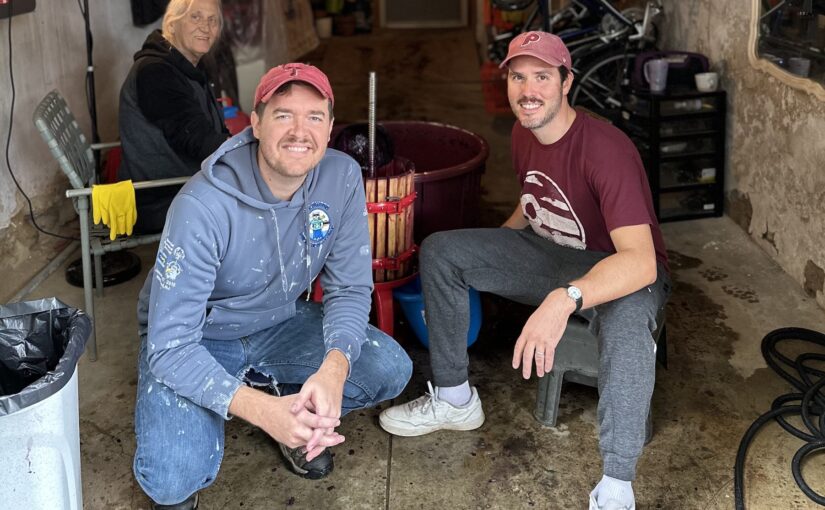
I’ve joined and toured distilling processes going back years, and taken an interest in commercial and homebound beer brewing. Yet outside a few winery tours over the years, I haven’t been as close to wine-making. That’s silly because one of my closest friends in the world has taken up his grandfather’s tradition.

Continue reading Wine making with Patrick

What should your city be in 150 years?

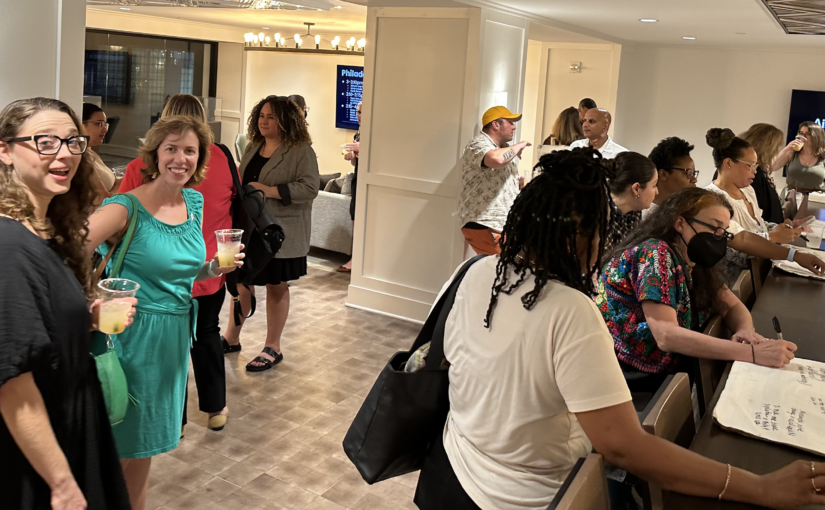
Spinning out of the THRIVING reporting project I’ve led at Technical.ly, I’ve hosted a pair of sessions imagining Philadelphia in 150 years. I hope to do similar longterm future-thinking here and elsewhere.

I’ve found helpful several books on longtermism and other community engagement experience of my past. This week, the Philadelphia Inquirer published an op-ed I wrote with my friend and collaborator Mike O’Bryan on the topic. I wrote this summer on the concept after our first session. (photos below)

Continue reading What should your city be in 150 years?

Humanity is on ‘The Precipice’: How can we think about lasting a million years more?

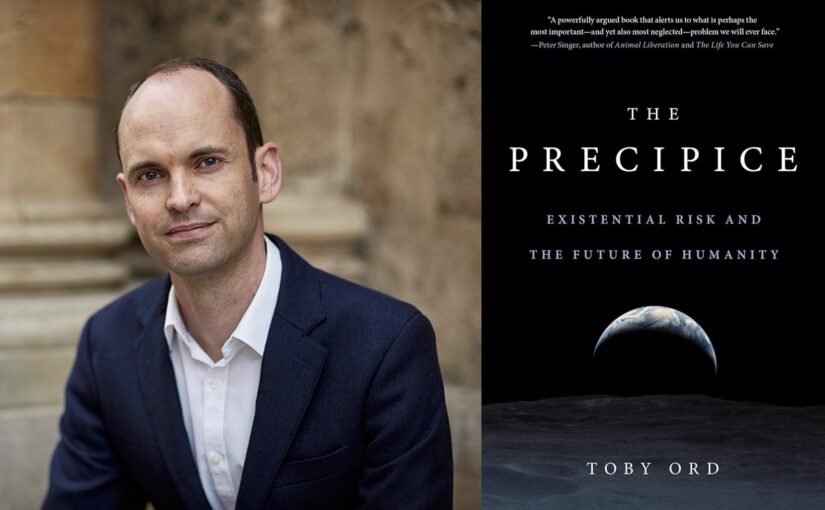
Humanity is at a crucial moment in which our technologies are advanced enough to have created our own existential risks and secure enough to consider a longterm enough future in which natural risks pose true threats. This moment can be called the Precipice, the name of a 2020 book by Toby Ord.

I enjoyed it, came to it around organizing I’ve done toward longtermism, and another buzzy book on the topic.

Below I share my notes for future reference.

Continue reading Humanity is on ‘The Precipice’: How can we think about lasting a million years more?

Inciting Joy

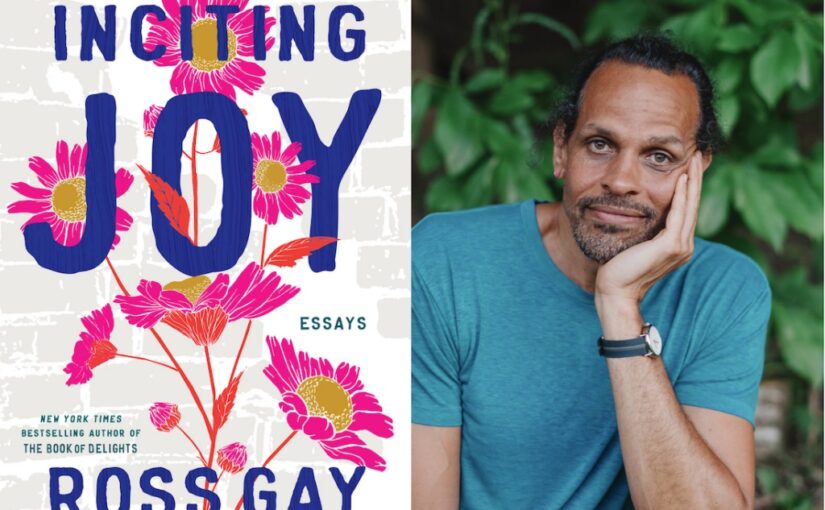
Late in his fall 2022 book Inciting Joy, essayist and poet Ross Gay confronts criticism he’s received for the writing he’s done on Joy. Most of it amounts to, the author says: how can a black man write about flowers in a time like this?

Earlier on, he gives his answer: Sorrow doesn’t need any help; “I think sorrow’s gonna be just fine.”

It’s an energizing and beautiful collection. I strongly recommend it. I share my notes for future reference below.

Continue reading Inciting Joy