The Value of Everything

The way we count how big our economy is gets determined by a set of changeable decisions. Those decisions have changed over time, and they can change in the future.

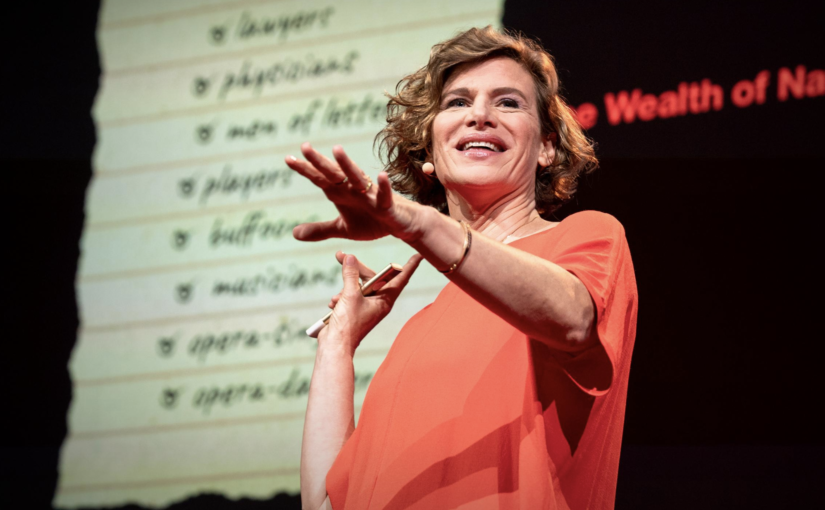
That is a major theme from the 2017 book The Value of Everything by economist Mariana Mazzucato.

Below I share my notes from reading the book, which are for my own purposes for review later.

Continue reading The Value of Everything

The Culture of New Capitalism

The digital economy encourages each of us to be further individualized, quantified and atomized.

That’s a big theme from the 2006 book “The Culture of the New Capitalism” written by sociologist Richard Sennett. The nature of work and the organization of companies was shifting for decades but he spotted a marked shift he called “new capitalism.” This new form of capitalism is characterized by a focus on flexibility, innovation and the constant search for new markets and technologies.

Though 15 years old, the book is still relevant and serves as a good landscape of the academic research and philosophy that underpins an understanding of where we are today.

He argues that this shift led to a culture in which individuals are expected to adapt and learn in order to succeed, and so longterm commitments and relationships are devalued. The book is critical of how this new culture shifts individual identity and community, and the impact it has on social and economic inequality.

Below I share my notes from the book for future reference.

Continue reading The Culture of New Capitalism

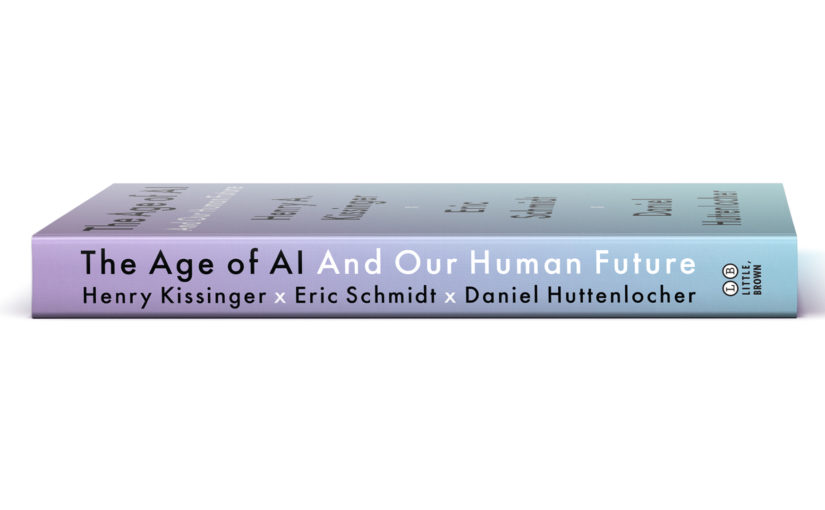
The Age of AI

Artificial intelligence will be considered a new epoch in human history. The Enlightenment was defined by the age of reason, in which a process could ensure humans develop new and tested knowledge. Increasingly though, algorithmic learning is developing so rapidly that no human entirely understands the recommendations that AI makes. This will be seen as entirely new age.

So argues the Age of AI: And Our Human Future, a 2021 book written by former Secretary of State Henry Kissinger, former Google CEO Eric Schmidt and AI researcher Daniel Huttenlocher. That big idea was argued in an article Kissinger wrote for The Atlantic in 2018 entitled: How the Enlightenment Ends.

The book is neither dystopian nor breathlessly optimistic. It is not full of rich stories nor colorful visions. It is a clear-eyed book directed toward policymakers and business leaders. It outlines its authors view of current research and understanding about where AI research is heading.

I collected notes from the book below. I recommend reading it.

Continue reading The Age of AI

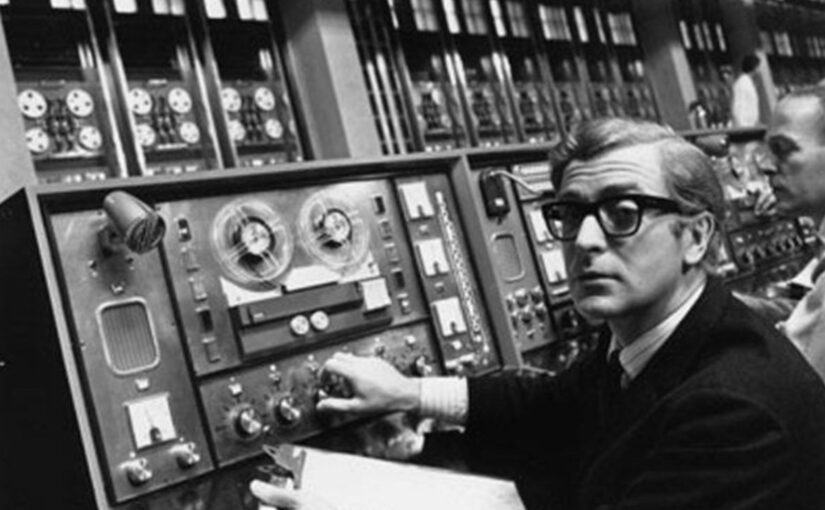
J.C.R. Licklider and his Dream Machine of personal computing

We interact with computers to help us think.

Both in the transactional sense that these machines can help us solve math problems or search across a vast array of indexed information, and in the deeper sense that we can patter our own behaviors around how a computer solves a problem. This wasn’t always inevitable.

Before the invention of the keyboard, computer mouse and graphical interface, and certainly before the government-funded creation of the internet, computers were seen charitably as oversized and expensive calculators. They may seem today like an appliance that is as valuable to our quality of life as an indoor toilet or a heating system. It took vision to make the change.

The people (yes, especially a particular man) behind that vision is the focus of The Dream Machine: J.C.R. Licklider and the Revolution That Made Computing Personal, a 2001 book by science journalist M. Mitchell Waldrop. The book tells the story of J.C.R. Licklider (1915-1990) and his role in the development of the modern personal computer. Licklider, a psychologist and computer scientist, was one of the pioneers of the concept of “interactive computing,” which envisioned a future in which computers would be accessible and easy to use for individuals, rather than just large institutions.

Continue reading J.C.R. Licklider and his Dream Machine of personal computing

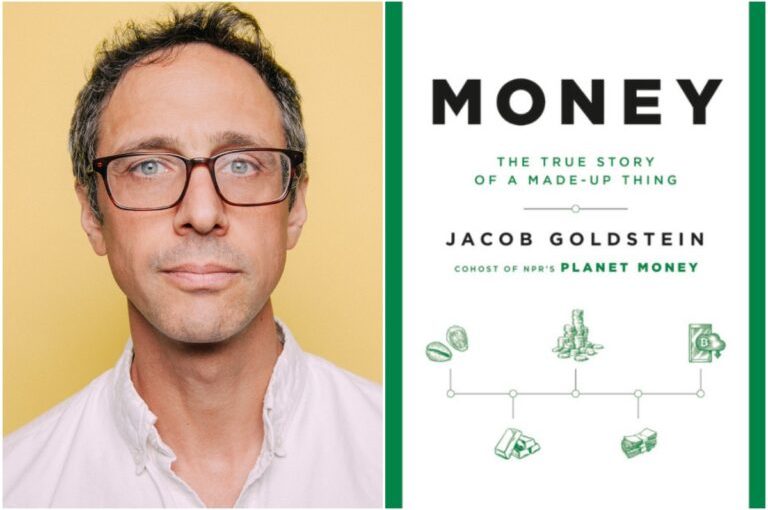
Money: The True Story of a Made-Up Thing

Money is a useful collaborative fiction to exchange and transfer value.

The 2020 book from former NPR Planet Money podcast co-host and economics reporter Jacob Goldstein is a fun and approachable social history of what we call money. It is light and breezy, full of familiar themes to those already interested in finance and economics while also a good starting point for someone who isn’t.

I captured notes for myself below. Go buy the book yourself.

Continue reading Money: The True Story of a Made-Up Thing

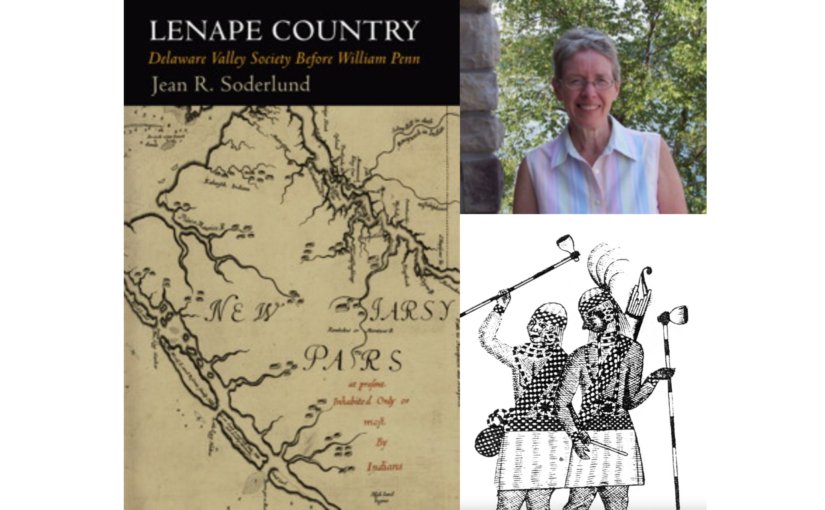
Lenape Country before William Penn

The Lenape people controlled their territory, and they meaningfully shaped the society that developed in present-day Philadelphia, Pennsylvania, Delaware and New Jersey.

So argues the 2016 book Lenape Country Delaware Valley Society Before William Penn written by Lehigh University professor Jean R. Soderlund. A prevailing narrative is of a relatively weak and minor subgroup of the Alqonquian people but this book argues something more nuanced.

Other big themes: early Swedish settlers remained primarily trading partners with the Lenape, which contrasted with the Dutch and the English who over time seemed more interested in colonizing, though the English Quakers were on the whole far more peaceable than the Chesapeake, New Amsterdam and New England regions. The Lenape themselves shaped this reality.

This is a rich social-political history of the earliest recorded details of Lenape life. I strongly recommend buying a copy if you love history and the details of indigenous and European engagement. As is my custom, I share notes from my reading below for my future reference but please do pick up a copy.

Continue reading Lenape Country before William Penn

Gödel, Escher, Bach: an Eternal Golden Braid

The universe isn’t remarkable because of stuff. It is remarkable because of the relationship between stuff.

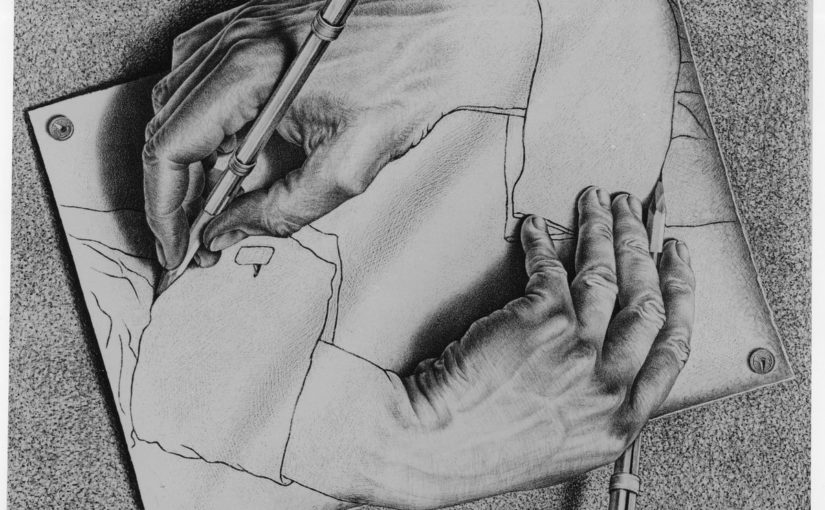
That is something like a theme from the iconic and celebrated 1979 book by academic Douglas Hofstadter called Gödel, Escher, Bach: An Eternal Golden Braid, which won both Nobel and Pulitzer prizes. An entire secondary marketplace of ideas and debate centers around the meaning and intention of the book, so I will not attempt to contribute to that. The book did influence computer science, especially the development of artificial intelligence, but Hofstader has said he does not identify with technology or computer culture.

Overall, the dense book brims with interdisciplinary “strange loops,” or examples of the interrelationships between concepts that create systems.The book’s title comes famously from naming three men influential in very different fields: influential Hungarian-American logician Kurt Gödel (1906-1978); Dutch graphic artist M. C. Escher (1898-1972) and legendary classical composer Johann Sebastian Bach (1685-1750). All their work are used as examples of strange loops. I share a few notes below that I may return to in the future.

Continue reading Gödel, Escher, Bach: an Eternal Golden Braid

Write more effective resolutions

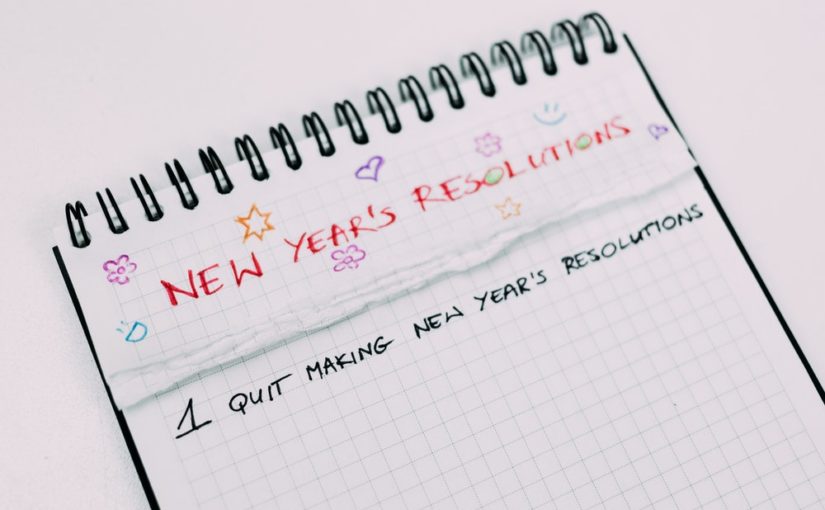
It’s a new year! As much as 40% of Americans make new year’s resolutions each year but fewer than 1 in 10 report sticking to them. I wrote my first resolutions as a teenager, and I’ve learned a lot about what works and doesn’t in holding yourself accountable. Here are a few tips I’ve learned that I thought might help some of you!

Continue reading Write more effective resolutions

My 2022 resolutions

If 2020 was a collapse, 2021 was a timid rebound. I hope to return to goals of 2019 with newfound learning and momentum to make 2022 something special.

Last year was a step back toward friends and family, thanks to a historic vaccination program and despite ensuing covid variants. I’m optimistic for continuing the development of a post-pandemic world — even though we know now that covid will almost certainly transition into a new seasonal affliction.

I see hopeful sign posts. I have plans to attend a wedding in each of the first four months of this year, all of which were postponed at least once, and they are planned to have the good food and dancing that any good wedding of old once had. For at least two of them, SACMW and I will be staying in hotels, while our baby stays with a grandparent; I understand these were once fairly normal acts in The Before Times but they’re novel, and downright exciting, to me now.

I am very eager to return to some form of travel in 2022 but it all feels so uncertain. So, though I initially considered resolutions like “Use my passport again” and “Get on a plane,” the pandemic and new parenthood combined kept those off the list for this year. Nonetheless, I have high hopes for next year.

Continue reading My 2022 resolutions
My 2021 review

This year was better than 2020 but boy it brought its own historic stresses.

I am thankful for the remarkable vaccination program, for frontline workers, fiscal stimulus and the limitless inventiveness of humanity. I saw more family and friends this year than in 2020. My coworkers and I got ourselves to a stronger position than where we were even in 2019. I’ve regained a balance on knowing I am both extraordinarily fortunate and regularly challenged by the world.

Earlier this year, burnout caught up to me, and I had to confront those demons. I took a step back from social media and spent more time with my baby daughter and good books. Much of what I loved about my life in 2019 is still on a pandemic pause (travel, routine restaurant visits, indoor events and more). I found ritual and joy and added new habits. No matter how much this pandemic changes the world for good, I’ve changed — as a parent, the owner of a remote-only company and just a bit older and more experienced.

Thank you to so many who helped me grow this year. I hope I contributed at least as much.

Continue reading My 2021 review