Two years after Hind Rajab’s killing in Gaza

I made a $500 donation to the Palestine Red Crescent Society, and if you can, I think you should too.

This is adapted from a social video I published.

Last year, when I published a video I made about Palestine, I stayed close to my own lane: the documented killings of Palestinian journalists. That’s my trade, my expertise. It’s also considered a war crime.

Over my years of local reporting on economic issues, I’ve received criticism about speaking about geopolitics, and about *not* speaking about geopolitics. So I don’t know what to do other than be honest.

And, to be honest, I keep thinking about Hind Rajab, the little girl in Gaza who was the same age two years that my daughter is today. As Omar El Akkad has written: “There’s no such thing as someone else’s children.”

Continue reading Two years after Hind Rajab’s killing in Gaza
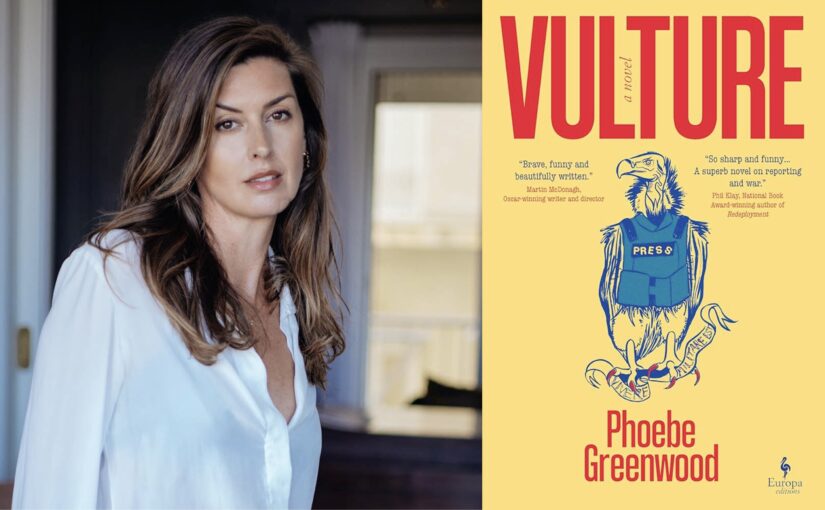
Vulture: war correspondents in novel

A 2025 debut novel by former war corresponded Phoebe Greenwood.

Why would any journalist born into a rich country choose to be a correspondent in a war zone?

Pay, sure: it’s part of why most of us do some kind of work, but the pay isn’t that good. A median salary of $100k USD is a lot by reporter standards, especially when living in a low-cost, economically depressed country but is the risk worth it? Mission and legacy too.

But rich nations have gone to poor places for many bad reasons for a long time too. Like a twisted voyeurism, where those seeking distinction and violence and terror go. Perhaps One such character is the protagonist of Vulture, a 2025 debut novel by former war corresponded Phoebe Greenwood.

It’s been compared to Heller’s Catch-22, and it is funny and incisive to be sure, reflecting the American hegemony of today: rich, fat and distant, a place where very few of us experience the wars that are waged in our name. The book is delightful, I strongly recommend it. Its writing is light, insightful and vivid. One of my favorite voices is when an experienced journalist is unshackled to write freely.

Below I have a few notes from points that stuck out to me for future reference.

Continue reading Vulture: war correspondents in novel

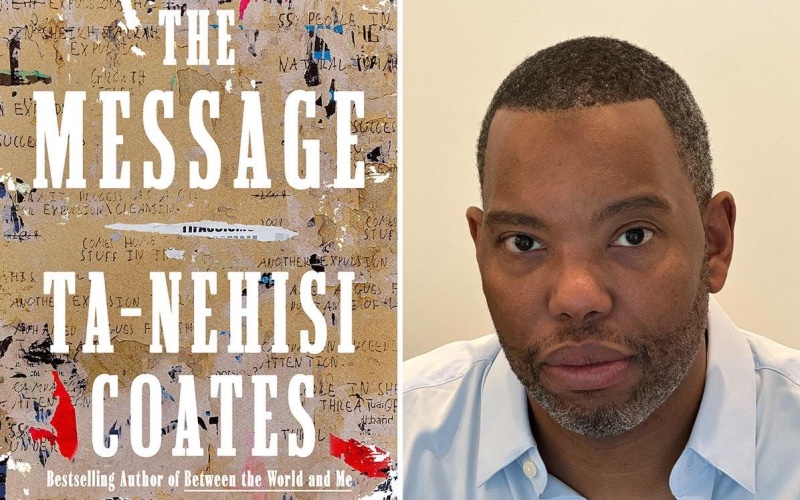
The Message by Ta Nehisi Coates

Notes from the fall 2024 book on race and justice

Every story is imbued with the biographies of those who hear and repeat it. And so each story gets distorted some. We can lose the author’s original intent.

It’s fitting then that I came to assume that Ta-Nehisi Coates’s new collection of essays published in the fall — one year after the Hamas attack on Israel — was exclusively about the Israeli-Palestine conflict. Notably including a CBS Morning interview, what I heard about the book was centered on the conflict.

Instead “The Message” is a curated archive of private reflections and political commentary informed by short trips Coates took to several locations to reflect on race, justice and U.S. foreign policy. Just the final chapter features a few days he spent in Israel and Palestine. The book’s overall message is less about any single conflict and more what he describes as a moral responsibility of the writer to speak plainly in moments of great public consequence.

Below my notes.

Continue reading The Message by Ta Nehisi Coates