What should your city be in 150 years?

Spinning out of the THRIVING reporting project I’ve led at Technical.ly, I’ve hosted a pair of sessions imagining Philadelphia in 150 years. I hope to do similar longterm future-thinking here and elsewhere.

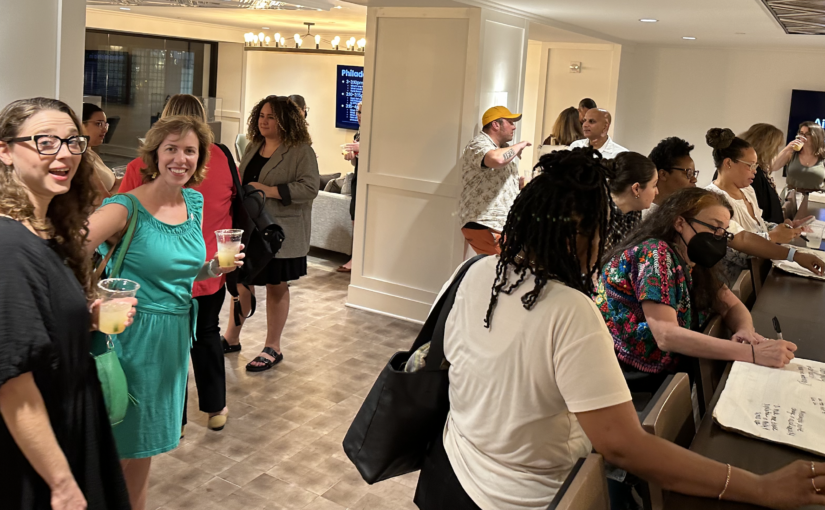
I’ve found helpful several books on longtermism and other community engagement experience of my past. This week, the Philadelphia Inquirer published an op-ed I wrote with my friend and collaborator Mike O’Bryan on the topic. I wrote this summer on the concept after our first session. (photos below)

Continue reading What should your city be in 150 years?

How we evolved the Technical.ly mission over time

Mission statements are a post-war business phenomenon now considered a must.

1994 Wall Street Journal story reported “fifty percent of big companies have mission statements now, twice as many as five years ago,” saying they are “fast becoming the latest management mania.”

Update: I wrote about how to put mission into action here, and we’ve covered the importance here too.

What must have first been our closest attempt at a mission statement was “Covering the community of people who use technology in Philadelphia,” which we sometimes shortened as a tagline to “A better Philadelphia through technology.”

When we expanded to Baltimore in 2012, we widened our scope to “Better cities through technology,” which adorned our site for the next several years. It also spoke to the very wide scope we took in those early days, when there was limited formal engagement between fledgling tech communities and wider cities. We hosted computer trainings and coding bootcamps; We facilitated early city council hearings in both Philadelphia and Baltimore on the issues of entrepreneurial engagement, and we hosted early civic hacking and tech, data and innovation policy events. We were very deep in the subject matter.

Over time then our lean mission statement got bulky. Here’s language we used by 2015, when we hosted a big team onsite about the topic:

Technical.ly is a sustainable community acceleration organization focused on how technology makes cities better. We value entrepreneurship, creativity, inclusion, flexibility, transparency and those who do, act and create, whom we highlight through news and events. Our team members are public community leaders who pursue new thinking, cherish local communities and are willing to ask challenging questions in order to get better answers. We use communication as a means for conflict resolution and community betterment. We have high standards for ourselves and others and consider professional goals to be personal ones as well.

That resulted in this mission statement we used for Technically Media, as we were publishing both Techncial.ly and Generocity: We convene the smartest people and organizations in industries that matter to help local communities thrive in the future.

We updated it in 2017 with this:

  • Mission: Technical.ly grows local technology communities by connecting organizations and people through reporting, events and services.
  • What we do: We provide original editorial, expert programming and tools which improve recruitment, marketing, community cultivation and economic development. We serve technologists, entrepreneurs and people who care about technology’s local impact.
  • Company: Our team members are public community leaders who pursue new thinking, cherish local communities and are willing to ask challenging questions in order to get better answers.

In 2018, we fashioned a mission statement for our event series Philly Tech Week, and that resulted in tweaking our vision: “We believe in better workplaces that create more equitable communities.”

Then following pandemic disruption and refinement in our first strategic vision in 2021, we came to this:

  • Mission: Technical.ly is a news organization that connects and challenges a community of technologists and entrepreneurs invested in where they live.
  • Vision: We believe innovation should come from anyone anywhere — to ensure all communities thrive.
  • Values: Welcoming, Connective and Challenging
‘Journalism Thinking’ doesn’t need a business model. It needs a call to arms

I originally posted this on Medium here. It received considerable endorsement, including here, here and here.

Early professional news networks in the 14th and 15th centuries were couriers on horseback, informing warlords and merchants. Even competitors saw the value in shared professional news gathering, when there wasn’t a state-owned alternative. Subscriptions, then, subsidized the first foreign affairs and business reporters.

Over the next 500 years, innovations in distribution and in printing and paper technology shaped professional news-gathering into the 20th century model we most recognize today: advertising revenue subsidized relatively low unit costs to ensure widely available mass media (albeit almost exclusively from a white male perspective, but that needs its own post entirely).

Today we’re well into the first generation of the digital transformation of news-gathering and distribution. Yet we as journalism practitioners are still managing to underestimate how dramatically things have changed.

Continue reading ‘Journalism Thinking’ doesn’t need a business model. It needs a call to arms

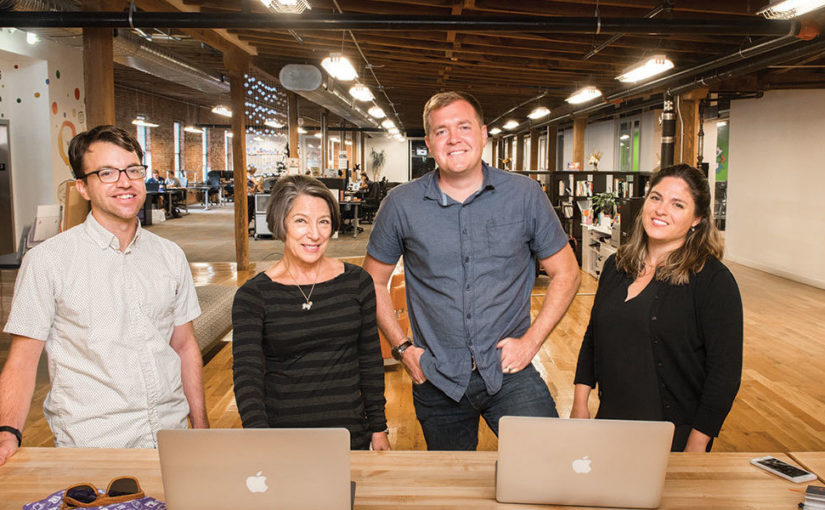
A thank you to my coworkers ahead of Technical.ly’s 10th anniversary

A decade ago this month a couple friends and I started down a pathway that became Technical.ly so in the next couple weeks I am going to do some sharing.

A couple weeks ago, we hosted our inaugural Alumni Ball — gathering both current and former staff at the Pen and Pencil Club — and on February 26th in Philadelphia, we’re hosting a public celebration, conjoined with our largest jobs fair. We’ll also run plenty of editorial mentions honoring this anniversary.

First things first publicly, I wrote a Twitter thread unashamedly showing off about how lucky I feel about the team I am a part of right now. I’m sharing that here, with slight editing.

Continue reading A thank you to my coworkers ahead of Technical.ly’s 10th anniversary

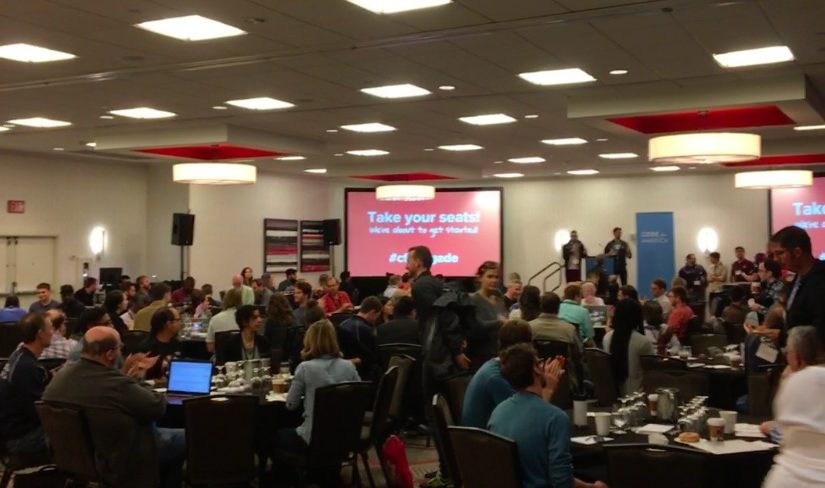
I helped organize Code for America’s inaugural national Brigade Congress

Long a believer in the importance of the nascent civic technology community, I’ve been a fan of national nonprofit Code for America. So I was thrilled for the chance to support the group in producing its first ever Brigade Congress, a national unconference focused on civic tech, last month.

Continue reading I helped organize Code for America’s inaugural national Brigade Congress

Notes on reporting a challenging community journalism profile

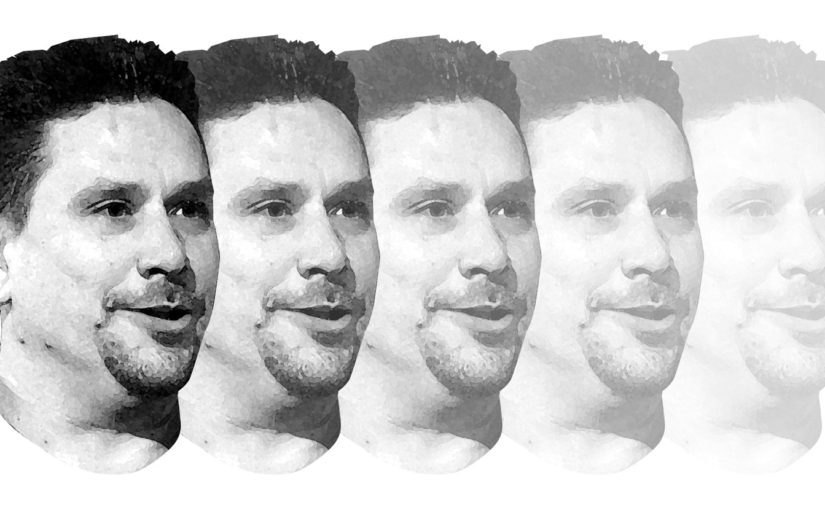
I bylined a challenging profile of a Philly tech community member that published on Technical.ly last week. It was a 30-interview, 7,000-word kind of longread, something different than work I’ve done before.

I felt the story was important for a local community I serve, but I also felt there were broader lessons and concepts that I believe have relevance to other small communities everywhere. Between that and my own personal interest in continuing to develop my credentials in that kind of work, I invested quite a bit of my free time to the project over the last month.

We have published other pieces of longform — see other examples here. But this was the first person-specific long read profile I’ve written — others came close but were far less exhaustive. I have some thoughts to share below. If you haven’t already, please read the piece here.

Continue reading Notes on reporting a challenging community journalism profile