The difference between developmental editing and copyediting

It’s a question of priority and need.

Though this runs across publishing and deeper in newsrooms, I’m speaking in a general sense about my own experiences, both in journalism and creative work.

Less about roles, I see two broad ways we approach editing: developmental editing and copyediting. One isn’t better or more important than the other. They’re just different tools in developing story. One supports the approach; one finalizes the landing.

Continue reading The difference between developmental editing and copyediting

Lessons I learned from my mother 

It’s been 10 years since my mother died. I was 23, an adult by many measures but critically in other ways I wasn’t. For one, I was painfully unstable in my early professional steps.

In her final days, I sat with a bulky laptop in a hospital waiting room struggling with the feeling that I had as much control over her health as I did my job prospects. I was sad and frustrated and depressed and feeling very sorry for myself. So it follows that I didn’t take much time then to consider how much she had done for me.

Many years later, I still find it hard. I think of her often. In quiet moments when I’m doing something she loved or that she taught me, I still get the urge to call her. Sometimes, that makes me sad. But other times, as I’ve learned, my continuing on with things I know from her makes me glad. And because of my love of learning, it’s the memories of her teaching me something I love most.

Continue reading Lessons I learned from my mother 

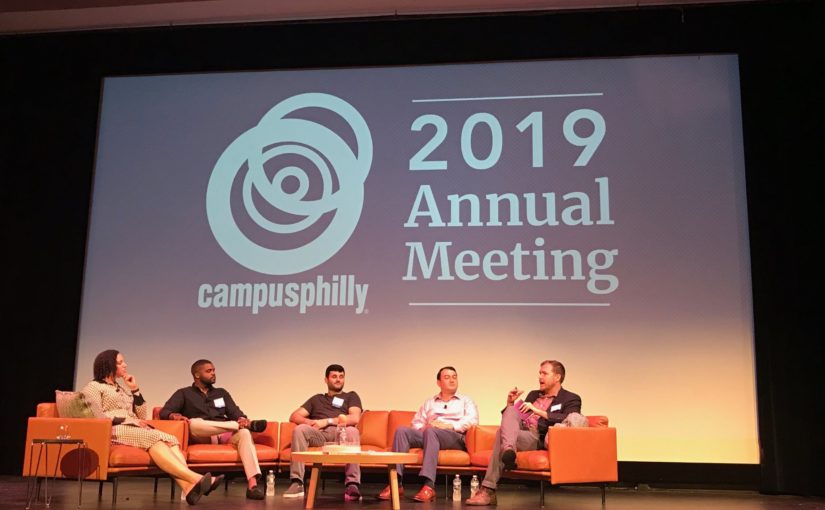
I moderated the keynote roundtable discussion at Campus Philly’s Annual Meeting

Informed by Campus Philly’s annual report, my own reporting and a smart group of young leaders, I led a conversation on degree-holding retention and economic development. It was quite fun.

Find my recap article here.

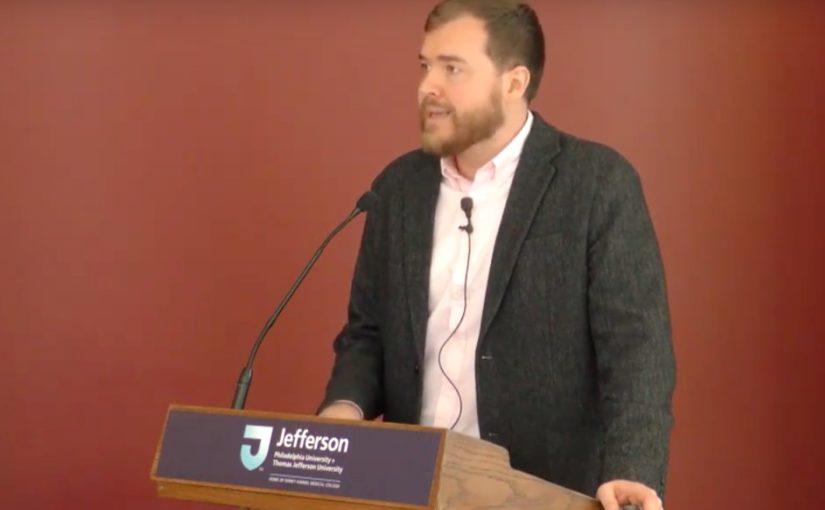
Here are 5 trends in ‘startup clusters’ I discussed in a lecture at Jefferson Innovation

Back in February I gave a lecture at Thomas Jefferson University Hospital’s ‘Innovation’ lab about trends in ‘startup clusters,’ or the modern, dense collection of next-stage companies.

I wrote about those trends here, and you can find my slides here (with my hilarious jokes). Below, for the hardy among you, watch my hour-long presentation.

Start with the doing. Then get to the done

Big goals can inspire. They can also paralyze.

One of the best outcomes from building the habit of building habits is having a skill to make big change. If you want to stop always being late. If you want to be a better public speaker. If you want to drive your company to new heights.

Once you identify the obstacles, these all are essentially tasks of building habits. But we often stare down the end of an enormous project and are so intimidated we never start. That happens to me a lot. So I remind myself that it all comes down to an incredibly simple act: just get started.

Continue reading Start with the doing. Then get to the done

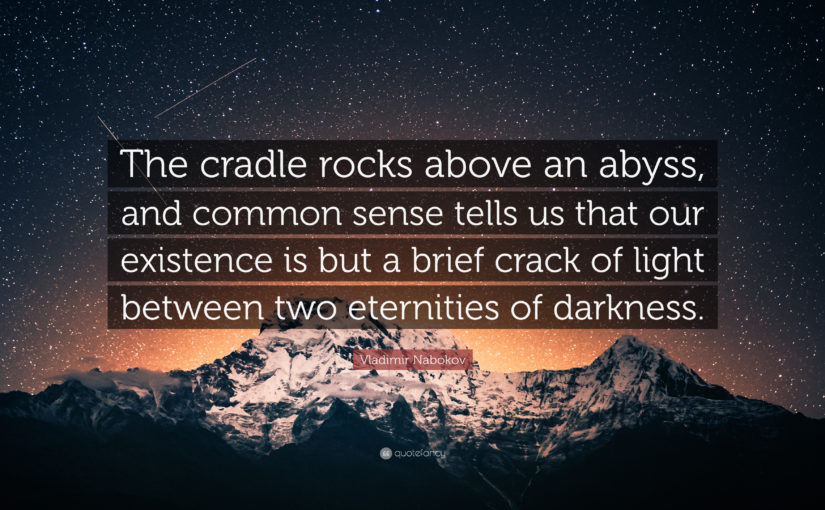
A few quotes I read recently that are stuck in my mind

I often try to capture ideas from my reading. So I sometimes internalize those ideas by sharing notes here on my takeaways from something I’ve read.

Most usually that’s with nonfiction; though I’ve done it with fiction too when something really connects for me. But other times, I have a habit of squirreling away quotes or shorter notes, more often from fiction, in all sorts of places.

I had a few bundled up and thought I’d just share them here, if only for me to come back to more easily. They aren’t precisely tuned or themed, other than to be about life in some way or another.

Continue reading A few quotes I read recently that are stuck in my mind

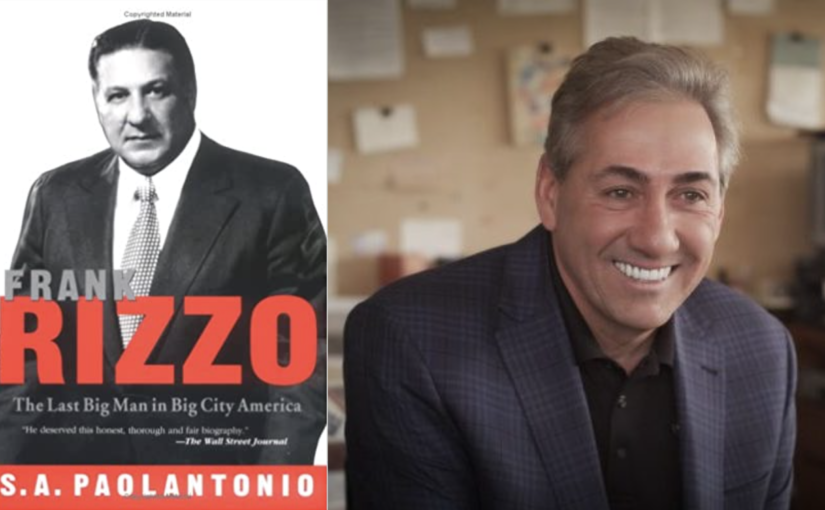
Notes from Sal Paolantonio’s landmark 1993 biography of Frank Rizzo

In recent years, it became commonplace to compare legendary and controversial former Philadelphia Mayor Frank Rizzo with Donald Trump. Perhaps that was why I finally read Frank Rizzo: The Last Big Man in Big City America, the influential biography published in 1993 by Sal Paolantonio. It is a familiar part of the foundation of the Philadelphia canon so it’s long been on my list.

Below I share my notes from the book.

Continue reading Notes from Sal Paolantonio’s landmark 1993 biography of Frank Rizzo

Peru

The Incan state employed professionals to remember their history. Plenty was lost following the disease and colonial greed that followed European contact with South America.

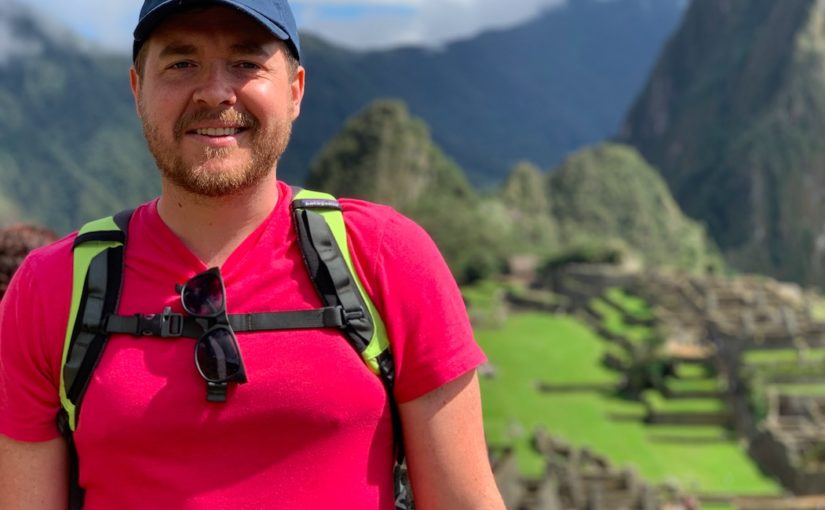
Earlier this month I returned from a breathtaking, if short, weeklong vacation with SACMW in Peru, and it proved one of my favorite trips. We spent time in cosmopolitan Lima, alpine Cusco and Machu Picchu, which might one of the most impressive sights I’ve ever experienced. The modern cuisine (with roots in pisco, potatoes, tomatoes and peppers) was exquisite, and I got to dive into history that is a passion of mine.

I filled up on the destructive and greedy legacies of Pizzaro and Cortes and learned about the remarkable Incan history and more modern successes.

I changed a lot at my company. Here’s why beating a big Q1 revenue goal meant so much

version of this essay was published as part of my monthly newsletter a couple weeks back. Find other archives and join here to get updates like this first.

Nobody wants to follow someone who made General in peacetime.

I’ve been thinking about that concept a lot lately (Ben Horowitz calls its Peace/War Time CEO). In 2017, after eight years of informally leading the tiny community journalism organization I cofounded, I named myself CEO. Up until that point, my cofounder Brian and I had survived together. We’d always find a way to last a bit longer, growing slowly and thoughtfully as we navigated treacherous waters.

That survival approach was rational for growing a local news company in the early 21st century,  a time in which consumers maintain very high expectations for free and independent journalism but have not yet been fully trained to actually pay or otherwise support its work in a post-advertising world.

But in early 2018, as I was finally feeling the great responsibility of the CEO title, I took stock of where my company was.

Continue reading I changed a lot at my company. Here’s why beating a big Q1 revenue goal meant so much

My relationship to alcohol

I hold a memory of being, say, seven years old. My parents were hosting a family party, and I walked into their bedroom — maybe I was playing hide and seek with my cousins.

Something drew me to the sight of a classic red Budweiser can sitting on a TV table. Not only was I seven, but the can was probably room temperature and likely discarded. The taste was so jarring that I spit it out into a nearby plastic cup. That was the memory I had for the drink for years to come.

I didn’t drink at high school parties, or even in my early college career. It wasn’t exactly that I held some moral stance — most of my friends did drink before they turned 21. I had no insightful health or philosophical stance. I just didn’t like the culture that came with it. I felt mostly socially comfortable and came to like being different by not drinking.

Years later I would better understand there were issues of alcoholism in my family. That became a factor in my approaching drinking with a kind of detached anthropological approach. Somewhere in my mind is always the fear of losing control and hurting those around me, as others in my family have.

I recognized the deep and historical culture tied to it all, and I also respected many people who had very informed, robust views of spirits. I wanted to have something resembling that too.

Continue reading My relationship to alcohol