Advice on ‘the creative act’ from Rick Rubin

One of the most celebrated music producers alive can’t play an instrument.

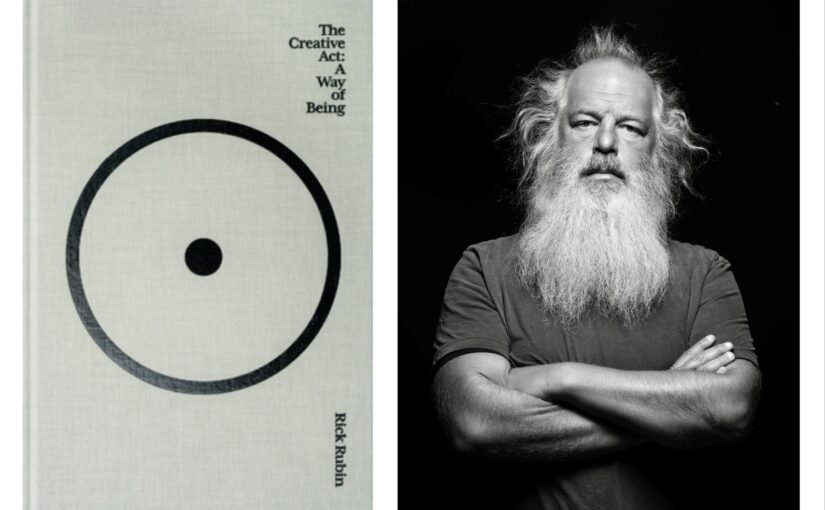
Instead he follows and teachers creators to create. Rick Rubin published back in January a charming book called The Creative Act: A Way of Being. It reads like a book that any creator could pick up and source inspiration. I strongly recommend it.

My notes for future reference are below.

Continue reading Advice on ‘the creative act’ from Rick Rubin

Kindnesses high school teachers extended to me

A treasured middle school teacher of mine retired into substituting for my small-town high school. I spent years with him, so when he passed this summer, I had a burst of nostalgia — going as far as making sure I visited his viewing.

That reminded of an old post I had here to remind myself of a few other particular kindnesses that teachers extended me back in high school. Looking back I was a challenging kid — one of those students who could be disruptive and disengaged. I needed quite a bit of help, so my academic performance ranged quite a bit depending on the teacher I had.

Continue reading Kindnesses high school teachers extended to me

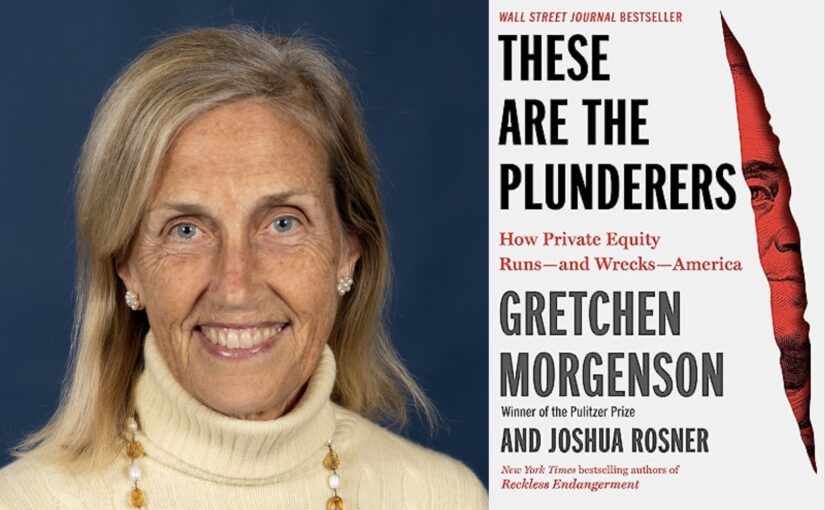
How Private Equity Runs—and Wrecks—America

The debate about whether private equity provides any real value to the economy comes down to whether they force worthwhile business efficiencies. Or are instead, as it was memorably put in 2010 “a great vampire squid wrapped around the face of humanity, relentlessly jamming its blood funnel into anything that smells like money.”

Little question the stance from the 2023 book “These Are the Plunderers: How Private Equity Runs—and Wrecks—America” by Pulitzer Prize­­­–winning journalist Gretchen Morgenson and financial policy analyst Joshua Rosner. It’s thorough and puts into context the people effected by private equity, a murky financial industry that owns businesses that employ something like 12% of all American jobs.

Below I share my notes for future reference.

Continue reading How Private Equity Runs—and Wrecks—America

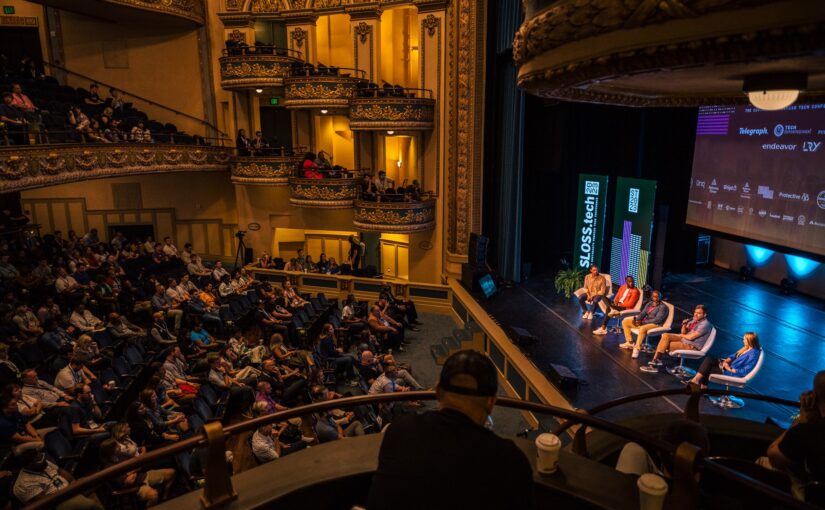
Featured speaker @ Sloss Tech in Birmingham, Alabama

I traveled to Birmingham, Alabama to be part of the revival of SlossTech, where I joined a panel discussing how different entrepreneurship ecosystems vary by geography.

Among my favorite pushes: Everyone has projections about why their city is special but spreadsheets are full of hopes and lies.

Continue reading Featured speaker @ Sloss Tech in Birmingham, Alabama

How we evolved the Technical.ly mission over time

Mission statements are a post-war business phenomenon now considered a must.

A 1994 Wall Street Journal story reported “fifty percent of big companies have mission statements now, twice as many as five years ago,” saying they are “fast becoming the latest management mania.”

Update: I wrote about how to put mission into action here, and we’ve covered the importance here too.

What must have first been our closest attempt at a mission statement was “Covering the community of people who use technology in Philadelphia,” which we sometimes shortened as a tagline to “A better Philadelphia through technology.”

When we expanded to Baltimore in 2012, we widened our scope to “Better cities through technology,” which adorned our site for the next several years. It also spoke to the very wide scope we took in those early days, when there was limited formal engagement between fledgling tech communities and wider cities. We hosted computer trainings and coding bootcamps; We facilitated early city council hearings in both Philadelphia and Baltimore on the issues of entrepreneurial engagement, and we hosted early civic hacking and tech, data and innovation policy events. We were very deep in the subject matter.

Over time then our lean mission statement got bulky. Here’s language we used by 2015, when we hosted a big team onsite about the topic:

Technical.ly is a sustainable community acceleration organization focused on how technology makes cities better. We value entrepreneurship, creativity, inclusion, flexibility, transparency and those who do, act and create, whom we highlight through news and events. Our team members are public community leaders who pursue new thinking, cherish local communities and are willing to ask challenging questions in order to get better answers. We use communication as a means for conflict resolution and community betterment. We have high standards for ourselves and others and consider professional goals to be personal ones as well.

That resulted in this mission statement we used for Technically Media, as we were publishing both Techncial.ly and Generocity: We convene the smartest people and organizations in industries that matter to help local communities thrive in the future.

We updated it in 2017 with this:

  • Mission: Technical.ly grows local technology communities by connecting organizations and people through reporting, events and services.
  • What we do: We provide original editorial, expert programming and tools which improve recruitment, marketing, community cultivation and economic development. We serve technologists, entrepreneurs and people who care about technology’s local impact.
  • Company: Our team members are public community leaders who pursue new thinking, cherish local communities and are willing to ask challenging questions in order to get better answers.

In 2018, we fashioned a mission statement for our event series Philly Tech Week, and that resulted in tweaking our vision: “We believe in better workplaces that create more equitable communities.”

Then following pandemic disruption and refinement in our first strategic vision in 2021, we came to this:

  • Mission: Technical.ly is a news organization that connects and challenges a community of technologists and entrepreneurs invested in where they live.
  • Vision: We believe innovation should come from anyone anywhere — to ensure all communities thrive.
  • Values: Welcoming, Connective and Challenging
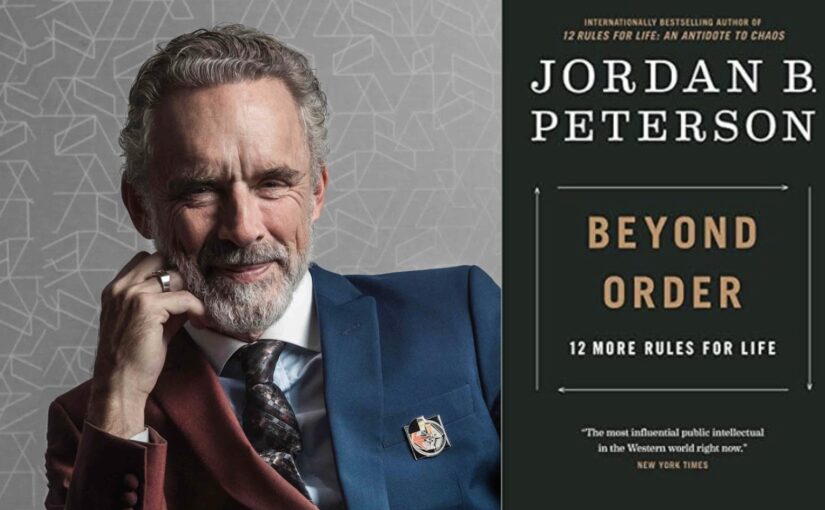
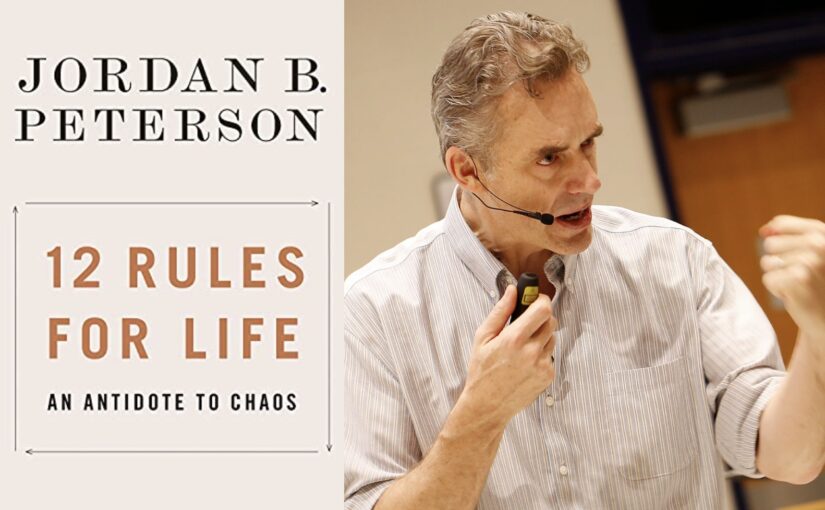
12 Rules for Life: An Antidote to Chaos by Jordan Peterson

In 2018, before he had become an unexpected avatar of the American culture war, then-56-year-old Canadian psychologist Jordan Peterson published 12 Rules for Life: An Antidote to Chaos.

It took a conservative tack on discipline and relationships, inspired by his clinical practice, his teaching and his politics. I certainly didn’t agree with all of it back then, but the framework of spinning a specific even prosaic rule-of-thumb into a bit of wider philosophy seemed like fun. Friends and I created our own lists.

In the years since, Peterson became an unexpected lightning rod, and a near cartoonish hero or villain depending on your politics. It was time to go back and read his breakout book. So I did just that. It’s too long and does dip into strange pseudoscience at times. I also think it presents a worldview that looked fresh and productive to many, especially young men.

My notes for future reference below.

Continue reading 12 Rules for Life: An Antidote to Chaos by Jordan Peterson

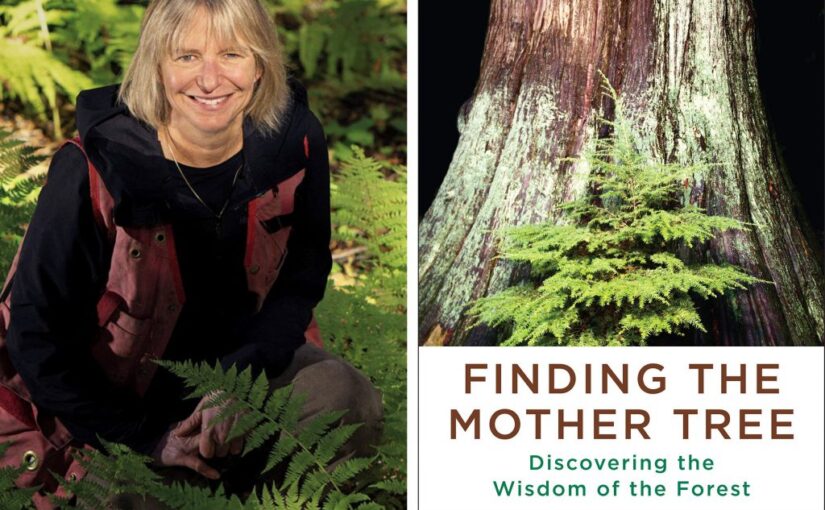
Finding the Mother Tree

Trees communicate in ways we don’t entirely understand. They form a forest society.

That’s the big them from the 2021 book Finding the Mother Tree: Discovering the Wisdom of the Forest Book by Suzanne Simard. She spent a career in this work, and was long sidelined as on the fringes of research. But credibility has come her way.

Older trees appear to know which other trees are their direct descendants, to which they send more nutrients too, though they share with all. Her work is all around “Mychorzzal fungal network”

It got deeper than I needed to get on the topic but others might appreciate it. As she writes “This is not a book about how we can save the trees. This is a book about how the trees might save us.”

What would it mean to build AI like octopuses, fungi or forests?

Framing intelligence as either the extractive corporate technological determinism kind or the pure human uniqueness kind is too limiting an understanding of intelligence. The world has far more kinds.

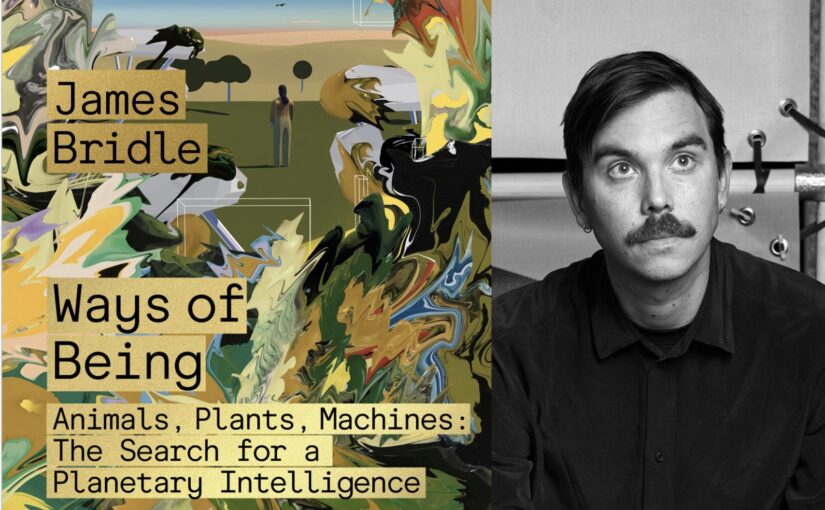
Artist and technologist James Bridle published in 2022 a compelling book called Ways of Being that reviewed research, themes and experiments in expanding our understanding of what technology can be. I recommend the book for others interested in a wider lens on AI and other advancements.

Below I share my notes for future reference.

Continue reading What would it mean to build AI like octopuses, fungi or forests?

The Filter Bubble

In 2010, political organizer and web entrepreneur Eli Pariser introduced a new term with his book The Filter Bubble: What the Internet is Hiding From You.

That an increasingly personalized web would create vastly different views of the world has felt more prescient over time. Though I’ve been familiar with Pariser and the book’s premise, I only now read this as a foundational text. It’s still worth the read, even to know where we were a decade ago.

Below I share my notes for future reference.

Continue reading The Filter Bubble