How Spring Street could thrive: survival for small towns in a new urban age

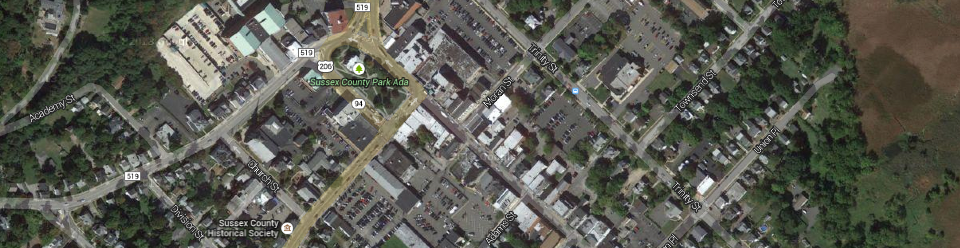
Newton is a small town in the northwest corner of New Jersey, where preserved forests, protected open space and state-backed farm land has curtailed suburbanization to maintain the foundation of what could be a thriving community in an urban age. It has a dense Main Street corridor and the anchor institutions of a 250-year-old town, as a gateway to this beautiful rural region. It also happens to be where I grew up.

Elsewhere in Sussex County, there are lake houses and golf courses that attract vacationers and tourists (and reporters) from the New York City market — that’s where my parents and other families came from. Though I believe there are unique assets, I also think this story is one that will relate to communities throughout the country and certainly elsewhere in the U.S. Northeast.

Continue reading How Spring Street could thrive: survival for small towns in a new urban age

What if we instituted *maximum* ages for legislative office?

oldpeople

When we’re younger, we’re better at fresh thinking. When we’re older, we’re better at contextual thinking. So why don’t we operate our world like we know that?

A struggling economy-backed entrepreneurship craze and a fast-paced period of consumer technology advancement have conspired to create an age that celebrates youth. But while I find being in my 20s beneficial in fitting into this era, I still find many of my peers struggling to break through what amounts to intern syndrome — being passed over for leadership roles in existing organizations and institutions because they don’t look the part.

Similarly, the stories of people near retirement losing their jobs, sometimes simply because they seem the most expendable are heart-wrenching. It seems we could be a lot savvier about age.

Continue reading What if we instituted *maximum* ages for legislative office?

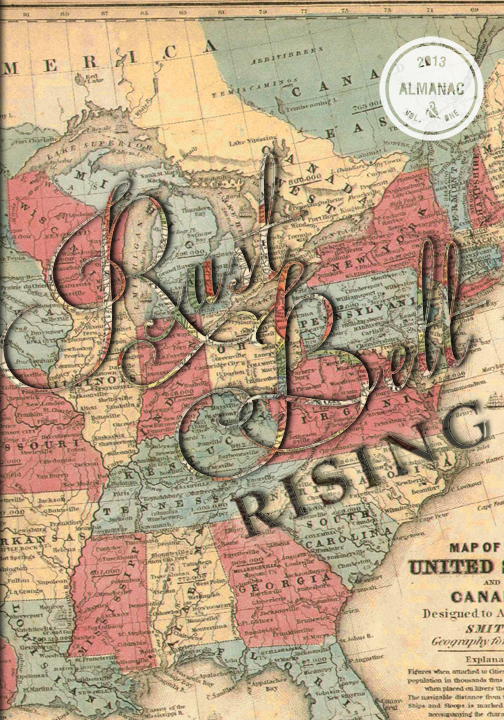
Radiator Heat: my ‘Rust Belt Rising Almanac’ flash fiction from Head and the Hand Press

The Rust Belt Rising Almanac is a beautiful anthology of narratives from what is new and inspiring in post-industrial American cities from the Head and the Hand Press, a small, craft publisher startup based in Fishtown, Philadelphia.

The anthology was released Friday. I met the Press’s founder Nic Esposito a couple years ago in Center City and have followed him since, moved by his own publishing startup story. He has a space on Frankford Avenue that serves as something of a creative writing coworking space — a monthly fee to be part of the strong community he’s created. When I saw his call for submissions, I knew I wanted to take part and am proud I was selected along with a dozen far more accomplished, talented fiction writers.

The anthology is worth the $17, so you should buy it here. Below I have the first few grafs of my small submission, find the rest in the book itself.

Continue reading Radiator Heat: my ‘Rust Belt Rising Almanac’ flash fiction from Head and the Hand Press

Ghosts Story Shuffle 15: the wind chimes of Philadelphia

wink

This was my October Story Shuffle contribution. Listen here.

There are ghost books and haunted places in old Philadelphia, but I am not here to tell a fiction. I am here to offer a warning. Scary stories have everything to do with patterns, of what is unfinished: loss, sorrow, missed opportunity and vengeance. It’s not really a haunting. It’s a sinking. Of knowing you do not have control over what is coming, of what is coming for us.

I am not here with a ghost story, but with a warning. Someone in this room is going to die before the month is over, and it’s because of me. I believe the only way to save ourselves is to recognize the patterns, and I have found a pattern. But it could also be our undoing.

Let me explain.

Continue reading Ghosts Story Shuffle 15: the wind chimes of Philadelphia

Why 10 percent unemployment and worse is our future, unless we rethink our economy

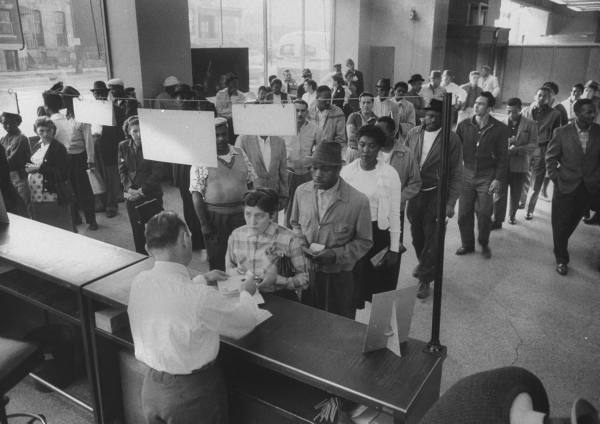
People waiting in line for unemployment relief in Chicago in October 1960. Photo by Myron Davis for LIFE Magazine

Updated with more perspective on the job-crashing Internet here and more from Vox Media here. Also, though some think there is a mighty economic transition happening, many readers and friends have pointed that I didn’t properly address the ‘lump labor fallacy‘ here, in which I incorrectly assume there is a static number of jobs that are going away. I still think there is perspective worth sharing below. More comments welcome.

In the next 20 years, the United States and the broader global economy will either dramatically rethink its employment structure or a history-altering societal change will take place.

Of course, unemployment numbers are gamed by those who give up on looking for jobs, but the idea here is that it’s hard to understand why anyone seems to think that the overall unemployment numbers for our country will trend anywhere but upward.

Let me be clear, this is armchair commentary from someone with absolutely no background in economics or geopolitical, socioeconomic trends, so I am writing this hoping for outside insight because I can’t figure this out.

Below, I (a) outline the problem as I see it, (b) look at big economic drivers that seem to be chances for more problems, (c) list all the opportunities I understand that could reverse somewhat this trend and then (d) highlight some of the transformational changes that could lie in wait for the next generation, before offering some more reading and then waiting to get yelled at in the comments.

Continue reading Why 10 percent unemployment and worse is our future, unless we rethink our economy

Mark Headd is your new Chief Data Officer: Philadelphia magazine

The future for the new City of Philadelphia Chief Data Officer Mark Headd and his role on this local government’s online transparency was the focus of my first contribution to Philadelphia magazine.

I’ve followed Headd, the city’s transparency movements and the open government movement for years, so I was eager to pitch and report out a more general-interest focused story. I was also excited to get the piece out to a broader audience — thanks to editor Tom McGrath for the interest and the opportunity.

I suggest you buy a copy, but you can also see the story online.

As always, I share some of what didn’t make it into the story below.

Continue reading Mark Headd is your new Chief Data Officer: Philadelphia magazine

Why are city assets shared by a region but not problems (and solutions)?

In most regions across the country, cultural assets are shared widely but problems aren’t. It’s a mindset we should try to change.

This perspective came up at an event I helped organize a couple months ago, and it’s still rattling around in my head as I try to work out its meaning.

Continue reading Why are city assets shared by a region but not problems (and solutions)?