Does technology advanced by the American military make the world a better place? Or a worse one?
The last century has made those complicated questions. It’s difficult to interpret American involvement in the 20th century’s first two world wars as resulting in anything but a freer, safer, happier world. The track record has been murkier since.
The ascendant uses of artificial intelligence has awakened the debate. Whether the “neo-prime” military contractors like Palantir give the world’s most powerful democracy an edge to maintain that freer world, or fuels a morally vacant oligarchy, is a hot debate in American culture. At the heart is the US-China rivalry. It’s important then to understand the origins of the American military embracing AI.
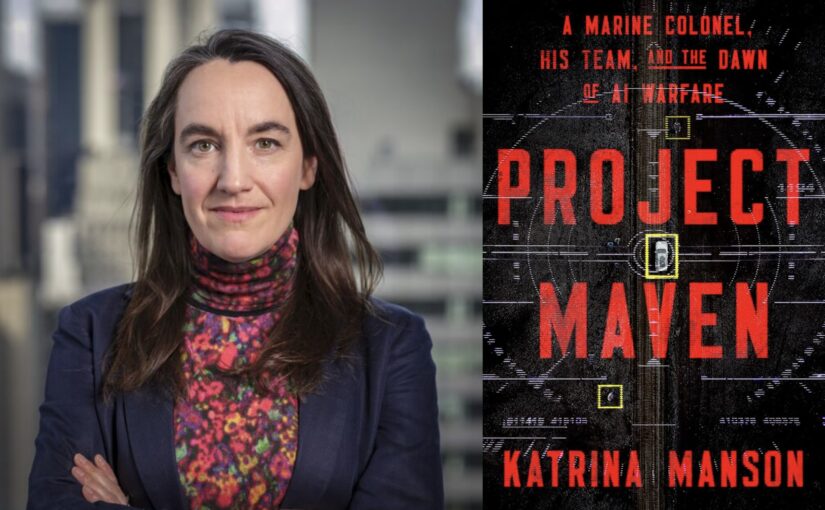
That’s the focus of British journalist Katrina Manson’s 2026 book Project Maven: A Marine Colonel, His Team, and the Dawn of AI Warfare.
She tells of the tale of Drew Cukor, who more than almost anyone dragged a hardware-focused Pentagon toward the data-science and autonomy that was sprouting out of Silicon Valley. When he began his leadership before 9/11, intelligence was viewed to military leaders as secondary, “like a flower in the room.” That has changed.
Below I share my notes for future use.
Continue reading Is the world safer with an AI-powered American military?