“People don’t buy what you do, they buy why you do it:” Simon Sinek

Just came across this September 2009 TED presentation in which Leadership theorist Simon Sinek talks about what makes Apple, Martin Luther King Jr. and other leaders different than their competitors: “People don’t buy what you do, they buy why you do it.”

He also spoke of its relevance to the diffusion of innovation.”

If a topic is boring, then go into more detail: like with spaghetti sauce

When someone is boring me, at a party or in line in the post office, I ask questions.

Now to be fair, I almost always ask questions. Questions are wonderful, provided that there are answers or at least good conversation to be had. Questions are one of the big reasons I do what I do.

It occurred to me recently, though, that that might be novel, at least for some.

That the best way to improve upon a conversation that isn’t much interesting you is to ask questions. That’s how you can direct that conversation and make it into something more than what it would be otherwise.

If you’re talking to a guy who sells fences, you might be bored. But if you talk to him about how different kinds of fence are made, distributed and costs kept low, it could get interesting. Without enough detail, anything can become interesting.

Like spaghetti sauce, as author Malcolm Gladwell showed with a great TED talk back in 2004.

Cancel your meetings: TEDx Midwest talk on on workplace management from Jason Fried

I’m always interested in workflow management. How can I, and the people around me, become more efficient, to get more and better work done in more condensed periods of time.

Real work flow is developed over time and with people whose work ethic you respect. But there are concepts to be had about getting that to work from the start. After moving into office space with Technically Media and working alongside my two colleagues so closely more often than ever before, I have been hunting for new ideas to bring to the process.

I came across a great TED talk from Jason Fried, one of the founders of web development firm 37signals, who was responsible for a great book with simple take aways on best business practices.

Continue reading Cancel your meetings: TEDx Midwest talk on on workplace management from Jason Fried

Foundations should require public art displays, rehearsals and performances

The movement is already afoot, put on most prominent display by the Knight Foundation’s Random Acts of Culture, but I crave more.

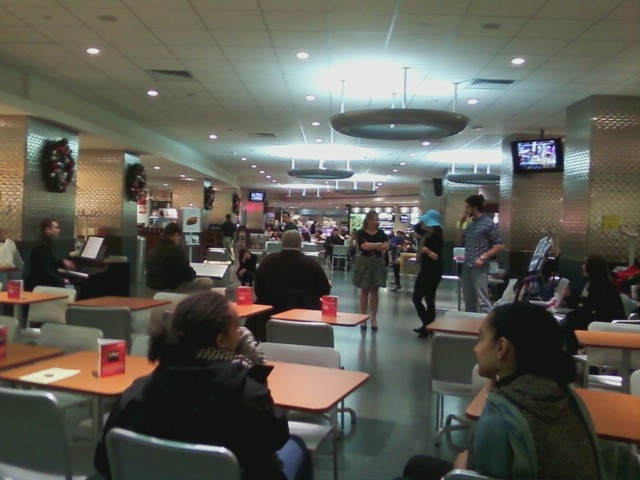
Last Wednesday, I was waiting to meet someone in the food court beneath the giant Comcast Center in Center City Philadelphia. Then people started singing, as you can sort of make out in the above photo. Turns out it was a new performance by the Opera Company of Philadelphia. It was cool, not only watching the rehearsal, but all of the people stop and watch the rehearsal.

But here’s where I think it gets fun.

Continue reading Foundations should require public art displays, rehearsals and performances

Telling stories with authenticity and complexity: or why Unstoppable sucked

Action movies are supposed to be implausible.

The action is meant to be superhuman — more violent, more outrageous, more daring and impossible than the last. They are not, then, in my opinion, necessarily good stories.

They can be entertaining — with explosions, scene cuts and new sights — but I don’t look for an action movie to tell a compelling story.

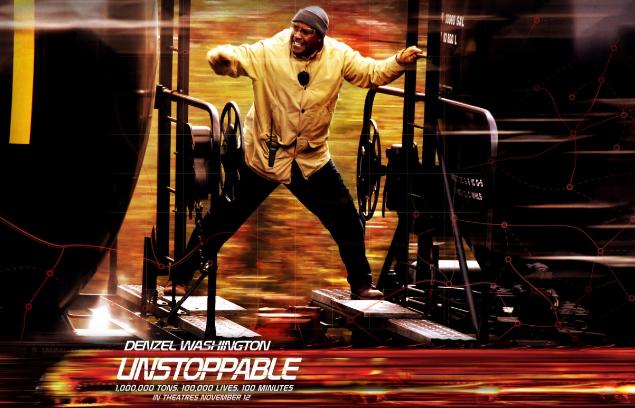
Recently, I saw Unstoppable, the new Denzel Washington movie. The promotion around the movie certainly had an action element to it, but the trailer and Washington’s past roles triggered to me a belief there might be something a bit more provocative to the movie.

There wasn’t. I didn’t particularly like the film, though I suppose I didn’t hate it, but it did make me think about what makes good writing and, really, helps make good journalism and what Unstoppable didn’t have elements of either.

Continue reading Telling stories with authenticity and complexity: or why Unstoppable sucked

Five interesting lessons from Jay-Z interview with Terry Gross

NPR Fresh Air host Terry Gross interviewed rapper and cultural icon Jay-Z last month and it proved one of the more interesting episodes of one of the best, longest-running radio shows around. Jay-Z was promoting his new book Decoded (about which Amazon has an interesting video interview).

You should go ahead and listen to the interview right now.

All the highlights are here, but you should look for these discussions in particular, all of which can be found in this transcript, in addition to another longer-form interview.

Continue reading Five interesting lessons from Jay-Z interview with Terry Gross

The Social Network: thoughts and reading on the Facebook movie

I tend to watch films in move theaters when I think they’ll have a particularly significant impact, will be worth remembering years from now and, of course, when I’m lured in by the story.

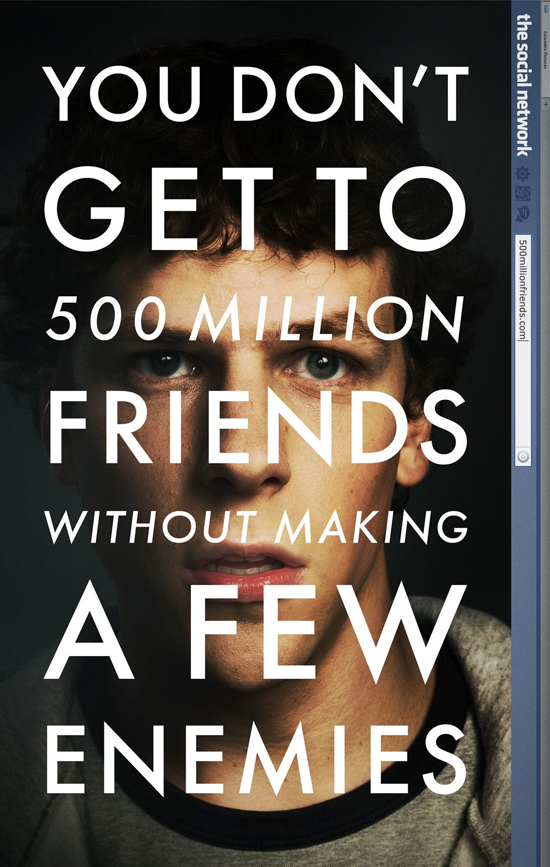
The Social Network, Aaron Sorkin’s film that tells with some literary license of the meteoric first-year rise of Facebook, fit the bill.

Last week, I saw and was greatly entertained — call it a 9 out of 10, not perfect but sure close and worth the price of admission.

Continue reading The Social Network: thoughts and reading on the Facebook movie

Switch Philly: a roundup after the first major, paid Technically Philly event

The speakers at the first Switch Philly, held Oct. 6, 2010, from left: Deana Zelenka, Zecozi; Steve Barsh, Packlate; Geoff DiMasi, P'unk Ave; Josh Marcus, Azavea; Greg Wilder, Myna Music

As I first shared last month, we at Technically Philly last week hosted Switch Philly, a tech demo event that we hope to host with some regularity and served as our first major, paid event.

It is the first in a series of events that a big part of making TP a sustainable business.

On the night of one of the most meaningful playoff baseball games in the sport’s history, we welcomed 170 people into the historic Levitt Auditorium of Gershman Hall at University of the Arts to hear five local companies pitch their latest, greatest innovation in just seven minutes, with no PowerPoint presentations allowed — though we made an exception.

That crowd included Councilman Bill Green, Inquirer columnist Mike Armstrong, RobinHood Ventures co-founder Ellen Weber, Genacast Ventures Managing Partner Gil Beyda, Independents Hall co-founder Alex Hillman and dozens more venture capitalists, entrepreneurs, journalists community leaders and more.

It was — for a tech business demo event — fast-moving, crowded and inspiring for the continued acknowledgment of this region’s technology community. We hope to have our next in early 2011.

Below, find a roundup of the successful event, including video, media coverage and more.

Continue reading Switch Philly: a roundup after the first major, paid Technically Philly event

The Wire: yeah, the HBO Baltimore drama is mad decent

I take something of pride in sometimes indulging in great cultural luxuries long after their novelty has waned.

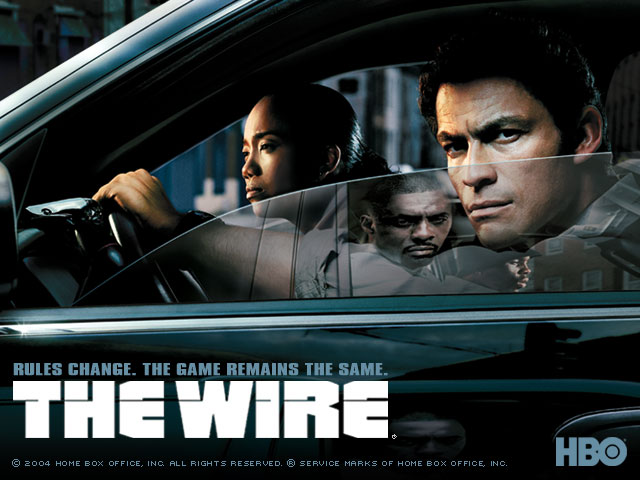
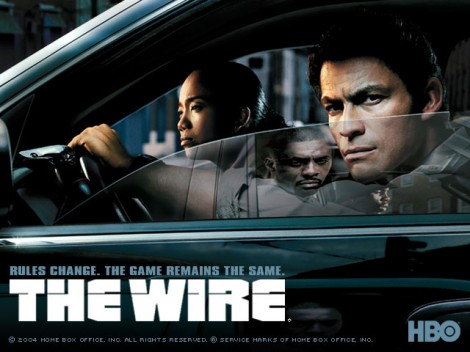
With that knowledge, I’ll share my thoughts on finishing the complete five-season DVD set of celebrated HBO drama ‘the Wire‘ to encourage readers to watch it again, assuming you’ve seen the show at some point since it first aired in 2002.

It’s not difficult at all to piggyback that suggestion onto the concept of the state of media and the future of news.

David Simon, the creator and primary writer of the serial drama based on the inner-workings of drugs, policing and politicking in gritty post-industrial Baltimore, was himself, quite famously, a newspaper reporter for the Baltimore Sun, giving him a career of insight.

Notably, each of the five seasons take on a different focus of the Baltimore city structure — from the drug trade, to unions to policing to, yes, reporting. So in the past few weeks after finishing the final season, I’ve delved into writing, stories, concepts and conversations. Even if you know the show well, it might be worth seeing what’s out there and, yes, connect it to media.

Continue reading The Wire: yeah, the HBO Baltimore drama is mad decent

‘Closing Time:’ Joe Queenan’s on growing up poor in East Falls

My reading of choice tends to be contemporary Philadelphia non-fiction — its true stories, histories and cultural anthropology.

Across nearly all of this writing from the 20th and early 21st century is a very unexpected theme: someone growing up angry and put-on in some forgotten neighborhood and developing a very hateful relationship with their city.

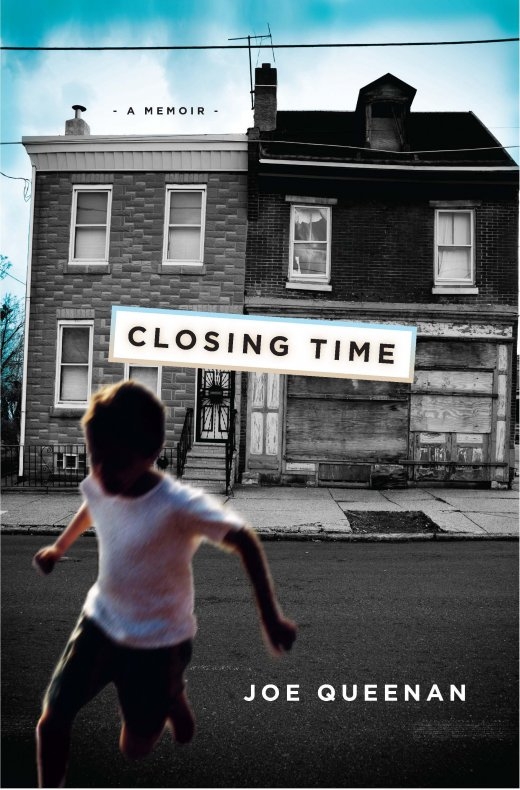
Joe Queenan, the Irish Catholic, self-styled Horatio Alger character of northwest neighborhood East Falls, writes the king of these stories, from what I’ve read, in his 2009 childhood biography called Closing Time. The son of an abusive drunk and a withdrawn mother. Queenan writes of chasing dreams that he felt he could never find in Philadelphia.

Find ‘Closing Time’ on Google Books. Buy the book at Amazon.

He was mostly angry. A lot of contemporary Philadelphia writing is. But Queenan has a quick pen — the likes of which has won him the praise of all the big writing critics we’re supposed to respect. Some of those passages kept me reading, in addition to his perspective (however bitter, though, I suppose, he softens in the closing chapters).

I wanted to share some that have the most relevance to those interested in urban development — and strong writing.

Continue reading ‘Closing Time:’ Joe Queenan’s on growing up poor in East Falls